Health
What is endometriosis: Foundational Guide
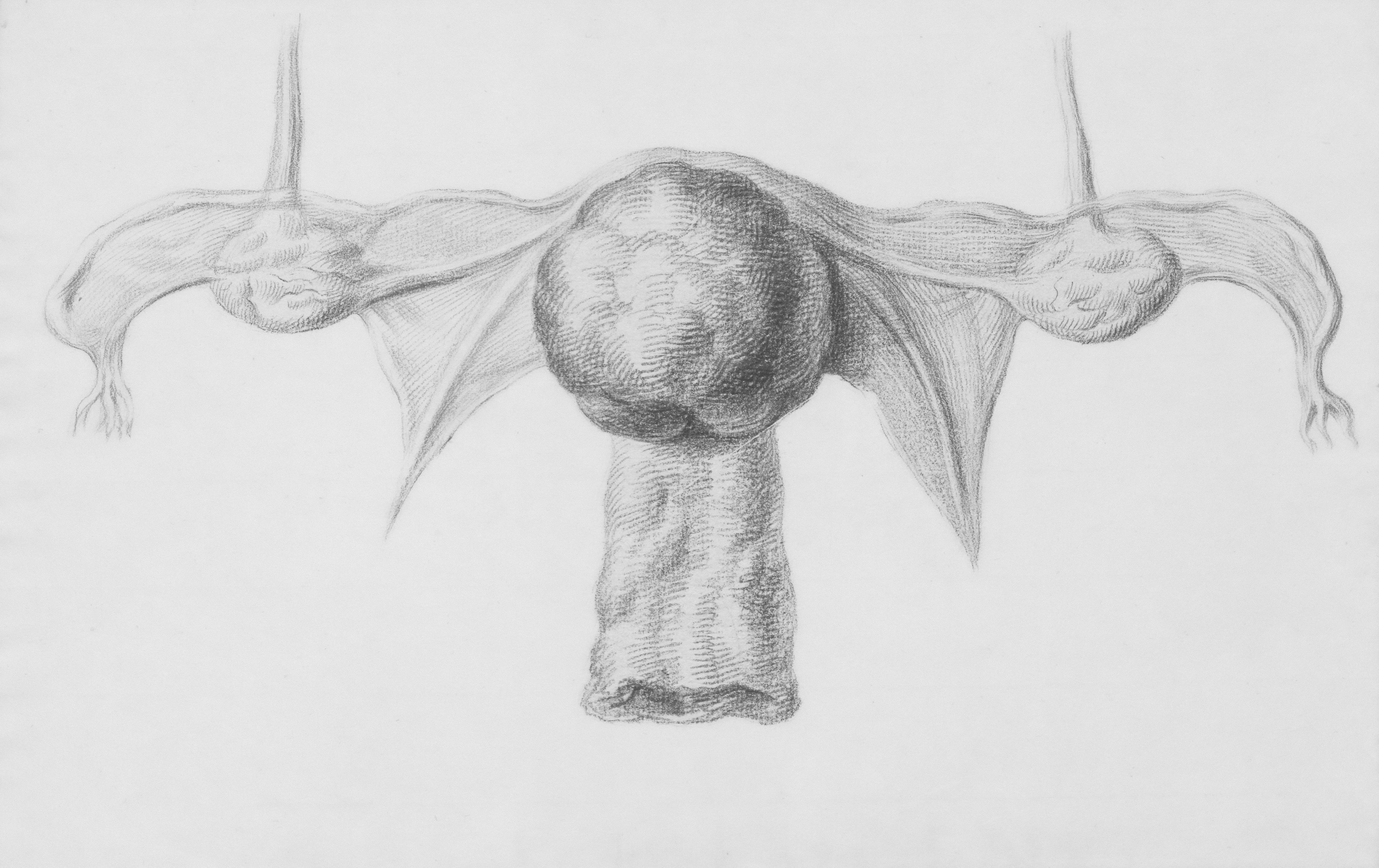
What exactly is endometriosis?
Endometriosis is a disease in which tissue that is similar to the endometrium—the lining of the uterus—starts growing in places it does not belong, such as on the ovaries, fallopian tubes, outer surface of the uterus, bowel, bladder, or pelvic lining. These patches are often called implants, lesions, or nodules, and they respond to hormones in a way that is somewhat similar to the uterine lining, which means they can thicken, break down, and bleed with the menstrual cycle.
Because this tissue is outside the uterus, the blood and inflammatory chemicals it releases have nowhere easy to go, which can trigger chronic inflammation, pain, and scar tissue (adhesions) in the pelvis. Over time, this can contribute to distorted pelvic anatomy, ovarian cysts (endometriomas), and sometimes difficulties getting pregnant.
How common is endometriosis?
Endometriosis is one of the most common gynecologic conditions worldwide. Estimates suggest it affects roughly 1 in 10 people of reproductive age who have a uterus, although the true number may be higher because many go undiagnosed for years.
Among people with chronic pelvic pain or infertility, endometriosis is even more common, showing up in a significant proportion of those evaluated in specialty clinics. Because diagnosis often requires specialized assessment (and sometimes surgery), many people live with symptoms for a long time before getting a name for what they are experiencing.
Where in the body can endometriosis occur?
Endometriosis most often affects organs and tissues in the pelvis. Common sites include:
Ovaries
Fallopian tubes
Outer surface of the uterus
Tissues that hold the uterus in place
Outer surface of the intestines or rectum
Outer surface of the bladder or ureters
Pelvic peritoneum (lining of the pelvic cavity)
More rarely, deposits can be found beyond the pelvis, such as on the diaphragm, in surgical scars, or very rarely in the lungs. These locations can lead to unusual symptom patterns, like chest or shoulder pain around menstruation in rare thoracic endometriosis.
What are the main symptoms of endometriosis?
Symptoms vary widely, but pain is a key feature for many people. Common symptoms include:
Very painful periods (dysmenorrhea), sometimes radiating to the lower back or abdomen.
Pelvic pain that can occur before, during, or after menstruation, or be present all month.
Pain during or after sex (dyspareunia)
Pain with bowel movements or urination, especially during periods.
Heavy menstrual bleeding or bleeding between periods.
Fatigue, bloating, diarrhea, or constipation around periods.
Trouble getting pregnant or infertility.
Symptom severity does not always match how extensive the endometriosis is; some people with small lesions have severe pain, while others with widespread disease have minimal symptoms.
How is endometriosis different from “normal” period pain?
Many people have mild cramps with menstruation, but endometriosis pain tends to be more intense, more persistent, and more disruptive to daily life. Endo‑related pain may start before bleeding, last throughout the period, and interfere with work, school, or daily activities despite over‑the‑counter pain medication.
Unlike typical period cramps that stay in the lower belly, endometriosis pain may spread to the lower back, pelvis, rectum, or thighs and may be accompanied by pain during sex, bowel movements, or urination. A helpful red flag is if your “period pain” keeps getting worse over time or feels out of proportion to what people around you experience.
What causes endometriosis?
The exact cause of endometriosis is not fully understood, and it is likely that multiple factors interact. Proposed mechanisms include:
Retrograde menstruation: Menstrual blood flows backward through the fallopian tubes into the pelvis, carrying endometrial‑like cells that implant and grow.
Cell transformation theories: Cells lining the pelvis or embryonic cells may transform into endometrial‑like cells under the influence of hormones or immune factors.
Immune system differences: A less effective immune response may fail to recognize and clear cells growing where they should not, allowing lesions to persist.
Genetic and family factors: Having a close relative with endometriosis increases your risk, suggesting a genetic contribution.
Hormonal influences: Estrogen appears to promote the growth and maintenance of endometriosis lesions.
These theories are not mutually exclusive, and ongoing research is trying to understand why some people develop endometriosis while others do not, even with similar menstrual patterns.
Who is at higher risk of developing endometriosis?
Endometriosis most often affects people in their 30s and 40s, but it can occur in teenagers and continue after menopause, especially when taking estrogen‑containing medications. Factors associated with higher risk include:
Having a mother, sister, or daughter with endometriosis
Starting periods at an early age
Short menstrual cycles (for example, less than 27 days) or heavy, long‑lasting periods
Never having given birth
Certain reproductive tract abnormalities that block menstrual flow
How is endometriosis diagnosed?
Diagnosis starts with a detailed symptom history and a pelvic exam. A clinician may feel areas of tenderness, nodules, or ovarian cysts, but a normal exam does not rule out endometriosis.
Imaging tests such as pelvic ultrasound or sometimes MRI can help detect endometriomas (ovarian cysts related to endometriosis) or deep lesions but may miss smaller or superficial implants. The only way to definitively diagnose endometriosis is through laparoscopy, a minimally invasive surgery in which a camera is inserted into the abdomen to directly see and often biopsy lesions.
Tracking your cycle and mood swings with the help of HealCycle can help fasten the process.
What tests might be used when endometriosis is suspected?
Clinicians may use a mix of approaches, depending on your symptoms and goals.
Test or tool | What it involves | What it can show |
|---|---|---|
Pelvic exam | Manual exam through vagina and abdomen | Tender areas, nodules, fixed uterus, large cysts |
Transvaginal or abdominal ultrasound | Imaging with sound waves | Ovarian cysts (endometriomas), some deep lesions |
MRI (in selected cases) | Detailed imaging with magnets | Deep infiltrating lesions, extent of disease |
Laparoscopy | Keyhole surgery under anesthesia | Direct visualization and biopsy; confirms diagnosis |
What treatment options are available for endometriosis?
There is currently no known cure for endometriosis, but there are multiple ways to manage symptoms and improve quality of life. Broad categories include:
Pain management (for example, nonsteroidal anti‑inflammatory drugs, or NSAIDs)
Hormone therapies that suppress or modify the menstrual cycle
Surgical treatment to remove or destroy endometriosis lesions
Fertility‑focused treatments if pregnancy is desired
Supportive strategies such as pelvic floor physical therapy and mental health support as part of a multidisciplinary approach
The best combination depends on your symptoms, age, desire for pregnancy, other health conditions, and personal preferences.
How do hormonal treatments help with endometriosis?
Hormonal treatments aim to reduce or stop ovulation and menstruation, lowering estrogen levels and thereby slowing the growth and activity of endometriosis lesions. Common options include:
Combined estrogen‑progestin birth control pills, patches, or rings used continuously or cyclically
Progestin‑only pills, injections, implants, or hormonal intrauterine devices (IUDs)
Gonadotropin‑releasing hormone (GnRH) agonists or antagonists that create a temporary, reversible “medical menopause”
Other hormonal agents in specific situations, guided by a specialist
Can lifestyle strategies support medical treatment for endometriosis?
Lifestyle changes cannot cure endometriosis, but they can complement medical and surgical treatment and help you feel more in control. Helpful strategies may include:
Regular movement and gentle exercise to support mood, sleep, and overall pain coping
Heat therapy (like warm baths or heating pads) during flares
Working with a pelvic floor physical therapist if recommended to address muscle tension and pain
Mental health support, support groups, or counseling to manage the emotional load of a chronic condition.
Because endometriosis is complex and individual, it is wise to check any diet or supplement changes with your clinician, especially if you are on medication or planning pregnancy.
When should someone see a doctor about possible endometriosis?
You should consider talking with a healthcare professional if you have menstrual pain that interferes with daily life, pain during sex, pain with bowel movements or urination around your period, or difficulty getting pregnant. If over‑the‑counter pain medications and basic self‑care no longer help, or your symptoms are slowly getting worse, it is reasonable to ask specifically whether endometriosis could be part of the picture.
Seeking care early can help reduce diagnostic delay, open up more treatment options, and give you a clearer understanding of what is happening in your body. Bringing a symptom diary—tracking pain, bleeding, bowel and bladder changes, and sexual pain—can make that conversation more productive.
References
Latest
From the Blog
Discover fresh insights, practical tips, and empowering stories to help you learn and grow in your PMDD healing journey. We're always here to remind you that you're not alone