PMDD, Pregnancy
PMDD and Pregnancy--- Hormonal Changes and Their Impact
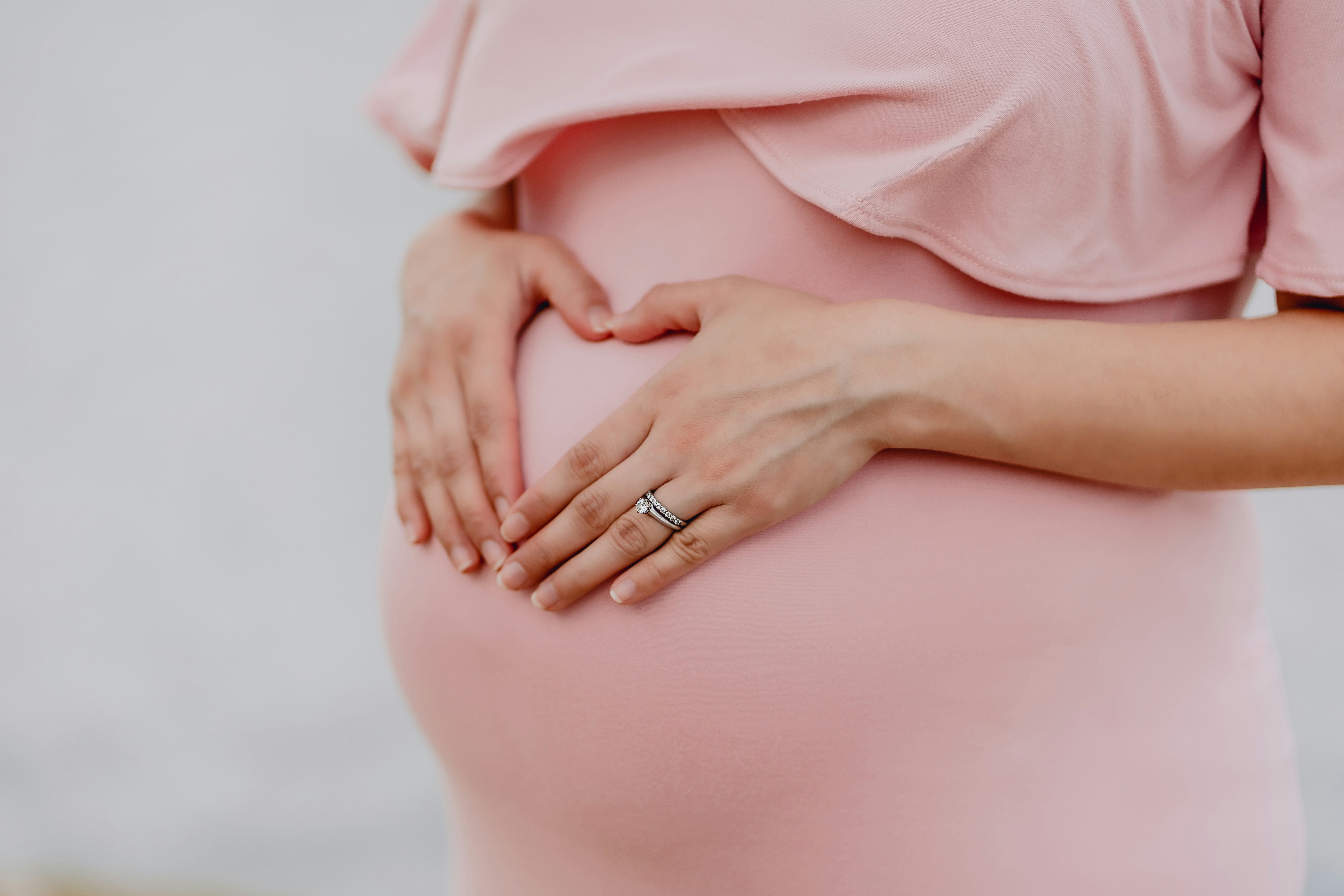
PMDD and pregnancy share a deep hormonal connection, and understanding this link can help you prepare, plan, and protect your mental health during maternity.
What exactly is PMDD?
Premenstrual dysphoric disorder (PMDD) is a severe form of premenstrual syndrome (PMS) that primarily affects mood and functioning in the 1–2 weeks before your period.
Clinically, PMDD is recognised in DSM-5 as a distinct mental health condition, not “just bad PMS”, because symptoms are cyclical, disabling, and resolve within a few days after bleeding starts.
Research suggests that PMDD often stems from an unusual sensitivity of the brain to normal hormonal changes (particularly estrogen and progesterone), rather than from “abnormal” hormone levels themselves.
How do normal pregnancy hormones change and why does that matter for PMDD?
Pregnancy dramatically changes hormone levels: estrogen and progesterone rise steadily, human chorionic gonadotropin (hCG) peaks early, and prolactin increases in preparation for breastfeeding.
Unlike the menstrual cycle, where hormones rise and fall every month, pregnancy is characterised by generally high and more stable levels of reproductive hormones after the first trimester.
For many people with PMDD, symptoms are triggered by the fluctuation of hormones rather than by absolute levels, so the more stable hormonal environment of mid to late pregnancy can sometimes reduce typical premenstrual mood symptoms.
However, early pregnancy involves rapid hormonal shifts and physical changes, which can overlap with PMDD-like mood changes, fatigue, and anxiety, especially in women already sensitive to reproductive hormones.
Can PMDD get better or worse during pregnancy?
The relationship between PMDD and pregnancy is complex and highly individual: some women experience relief, some notice worsening, and others find their symptoms simply change form.
Clinical observations from perinatal psychiatry centres and women’s mental health clinics suggest three common patterns:
Complete remission of PMDD symptoms
Partial improvement with new pregnancy-related mood challenges,
Continued mood instability triggered by pregnancy or antenatal depression.
A 2024 study found that a history of PMS or PMDD was significantly associated with antenatal depression in pregnancy, indicating that pre-existing cyclic mood disorders can increase vulnerability to depressive symptoms while pregnant.
Specialist centres focusing on PMS and PMDD report that PMDD symptoms often resolve during pregnancy and after menopause, but underlying mood disorders (like major depression or bipolar disorder) typically persist regardless of reproductive stage.
This means you may feel better in terms of classic premenstrual symptoms, yet still need support for pregnancy-related anxiety or depression.
Why are Indian women with PMDD especially vulnerable during pregnancy?
In India, women often experience added social pressures around fertility, family expectations, and the “ideal” pregnant woman image, which can amplify guilt and shame when mood symptoms appear.
Limited awareness of PMDD among families and even some clinicians means many women are labelled as “too emotional” or “weak” instead of being recognised as living with a medically acknowledged condition.
Access to perinatal mental health care is improving but remains uneven, with specialised services concentrated in urban centres such as NIMHANS in Bengaluru and tertiary hospital-based women’s mental health clinics. Combined with stigma around psychiatric medications in pregnancy and a tendency to prioritise foetal health over maternal mental health, Indian women with PMDD may delay seeking care until symptoms become severe or crisis-level.
How do PMDD symptoms typically change across pregnancy trimesters?
First trimester: what should you expect if you have PMDD?
In early pregnancy, rapid hormonal shifts, nausea, fatigue, and anxiety about the pregnancy can overlap with PMDD-like emotional symptoms. Women with PMDD are more likely to report intense mood swings, irritability, and depressive thoughts in this period, and antenatal depression can present in a way that feels similar to their premenstrual pattern.
Because PMDD normally follows a cyclic premenstrual pattern, once your periods stop, classic symptom timing changes, and it becomes important for clinicians to distinguish between PMDD history and current antenatal mood disorder. Prospective symptom tracking before pregnancy helps your doctor see what is truly PMDD and what might now be pregnancy-related depression or anxiety.
Second trimester: is this the “honeymoon” phase for PMDD?
After the first trimester, many women report stabilisation of mood as hormonal levels plateau and physical discomfort reduces. For some with PMDD, this can feel like a rare “break” from intense premenstrual distress, with fewer cyclical mood crashes and more steady emotional functioning.
However, stress from medical appointments, body image concerns, or family expectations can still trigger anxiety even if classical PMDD symptoms decrease.
Third trimester: can PMDD influence late pregnancy mood?
In late pregnancy, women may face discomfort, sleep disturbances, and fear around labour and childbirth, which can interact with a PMDD history to generate heightened worry or feelings of hopelessness. Although classic luteal-phase PMDD symptoms are unlikely without ovulatory cycles, a vulnerable stress response and past mood instability can predispose women to late pregnancy anxiety or depressive symptoms.
Health systems recognise that pregnant women and those with young children need preference and prompt attention in psychiatric services, but many women in India still underutilise these supports due to stigma and time constraints. Sharing your PMDD history early with your obstetrician or perinatal psychiatrist allows for a proactive plan rather than reactive crisis care.
Does having PMDD increase the risk of antenatal or postpartum depression?
Emerging research shows that women with PMS or PMDD are at higher risk of antenatal depression, meaning low mood during pregnancy itself. International women’s mental health clinics also note that PMDD can co-exist with other mood disorders and that a history of severe premenstrual mood symptoms may signal an underlying vulnerability to depressive episodes around reproductive events.
This vulnerability can extend into the postpartum period, where dramatic hormonal shifts after delivery and sleep deprivation may trigger depressive episodes, especially in those with previous PMDD or mood disorders. For Indian women, postpartum mental health may be overshadowed by newborn care and joint family dynamics, making it vital to plan psychological support during pregnancy itself.
Which lifestyle changes can Indian women adopt to ease PMDD and pregnancy-related mood symptoms?
Official women’s health resources recommend several lifestyle strategies that can improve PMDD and pregnancy-related mood concerns.
Key changes include:
Regular physical activity (walking, prenatal yoga, light aerobic exercise) to support hormonal balance and mood stability.
Eating a balanced diet rich in fresh vegetables, fruits, whole grains, and adequate protein, while limiting caffeine, sugary foods, highly processed items, and excessive salt.
Ensuring 7–9 hours of sleep with good sleep hygiene, including a consistent bedtime and minimising late-night screen use.
Stress reduction practices such as meditation, breathing exercises, and yoga, already familiar in many Indian households, which can be powerful adjuncts for PMDD.
Considering vitamin B6, calcium, and magnesium supplements only under medical guidance, as some studies suggest potential benefit for premenstrual mood and physical symptoms.
These lifestyle steps are usually safe in pregnancy, but intensity and specifics (for example, certain yoga poses or supplement doses) should be checked with your obstetrician.
How can I track PMDD and pregnancy hormonal changes effectively in India?
Specialist centres and guidelines consistently recommend prospective symptom charting over at least two cycles to confirm PMDD and guide treatment decisions. In practical terms, this means daily mood, energy, physical symptom, and sleep tracking, along with menstrual and ovulation dates, so patterns become clear over time.
For Indian users, app-based tracking is often easier than paper charts, and digital tools can provide reminders, visual graphs, and exportable summaries to share with clinicians. Using a focused menstrual mental health platform like HealCycle allows you to track both cycle-related PMDD symptoms and pregnancy-related mood shifts, linking hormonal milestones such as ovulation, conception windows, trimesters, and postpartum changes to your emotional experience.
How does PMDD affect relationships, work, and daily life during pregnancy in India?
PMDD already affects interpersonal relationships through sudden irritability, anger, emotional withdrawal, or hopelessness before periods, and pregnancy can add new pressures around household responsibilities and cultural expectations. In India, women often continue to manage intense workloads at home and in jobs during pregnancy, which can clash with fatigue, mood swings, and the need for rest.
Without awareness, partners and family members may misinterpret PMDD-related distress as “overreacting” or “pregnancy moodiness” rather than a recognised health condition requiring support. Educating close family, involving them in medical appointments, and sharing trusted official resources about PMDD can help build empathy and practical support—for example, sharing household tasks during high-symptom periods, arranging quiet time, or supporting clinic visits.
What questions should you ask your gynaecologist or psychiatrist if you have PMDD and want to conceive?
When you meet your gynaecologist, psychiatrist, or perinatal mental health specialist, consider asking:
“How will my PMDD history affect pregnancy planning, antenatal depression risk, and postpartum mood?”
“Which medications or therapies for PMDD are safest if I’m trying to conceive or already pregnant?”
“Can you help me set up cycle and mood tracking (for example, with an app) so we can monitor patterns before and during pregnancy?"
“Are there perinatal psychiatry or women’s mental health services you recommend locally or via teleconsultation?”
Professional guidelines stress shared decision-making, starting with conservative interventions and escalating only when needed, particularly in pregnancy. Clear communication ensures that your mental health is considered as seriously as your physical pregnancy care.
Which evidence-based strategies can help prepare emotionally for PMDD and pregnancy?
Evidence from women’s mental health services and guideline documents suggests several helpful preparation steps.
Build a support team: combine an understanding gynaecologist, a psychiatrist familiar with PMDD or perinatal mood disorders, and at least one trusted family member or friend.
Start cycle tracking at least 2–3 months before trying to conceive, documenting mood, sleep, and physical symptoms daily to clarify your PMDD pattern.
Learn coping skills such as relaxation techniques, problem-solving strategies, and communication tools for relationship conflicts, preferably with a counsellor or psychologist.
Clarify medication plans: understand which medicines you are currently taking, their risks and benefits in pregnancy, and possible adjustments if you conceive.
Plan for postpartum support, including who will help with night feeds, household tasks, and emotional check-ins to reduce the risk of mood crises after birth.
These strategies work best when personalised, and when your PMDD history is formally documented and shared with your maternity team.
Simple PMDD–Pregnancy overview table (for quick reference)
Question | Key points |
|---|---|
Does PMDD stop in pregnancy? | PMDD often improves or resolves when cycles stop, but mood vulnerability can continue as antenatal depression or anxiety. |
Is pregnancy riskier if I have PMDD? | Physical pregnancy risks may not increase directly, but mental health risks such as antenatal and postpartum depression are higher. |
Which treatments help before pregnancy? | Lifestyle changes plus SSRIs (often intermittent) and, in selected cases, hormonal therapies, guided by specialist clinicians. |
What should I track? | Daily mood, sleep, physical symptoms, stress, and cycle dates; later, pregnancy milestones and postpartum changes using apps like HealCycle. |
Who should I consult in India? | Gynaecologist, psychiatrist or perinatal psychiatrist (for example, at NIMHANS or tertiary mental health clinics), and a psychologist for therapy. |
References
Office on Women’s Health, U.S. Department of Health & Human Services. “Premenstrual Dysphoric Disorder (PMDD).”
Johns Hopkins Medicine. “Premenstrual Dysphoric Disorder (PMDD).”
Halbreich U. “Premenstrual dysphoric disorder: burden of illness and treatment options.” PubMed Central.
Abe T. et al. “Impact of premenstrual syndrome and premenstrual dysphoric disorder on pregnancy-related depression.” PubMed Central.
Royal College of Obstetricians and Gynaecologists. “Premenstrual Syndrome, Management (Green-top Guideline No. 48).”
U.S. Office on Women’s Health. “Premenstrual Syndrome (PMS) and lifestyle recommendations.”
NIMHANS, Bengaluru. Perinatal Psychiatric Service and Psychiatry OPD.
NIMHANS Women’s Mental Health Series – Dr. Rashmi on PMDD.
HealCycle. “Could My PMDD Get Better or Worse During Pregnancy?”
Latest
From the Blog
Discover fresh insights, practical tips, and empowering stories to help you learn and grow in your PMDD healing journey. We're always here to remind you that you're not alone