PMDD
Does hormonal birth control make PMDD worse?
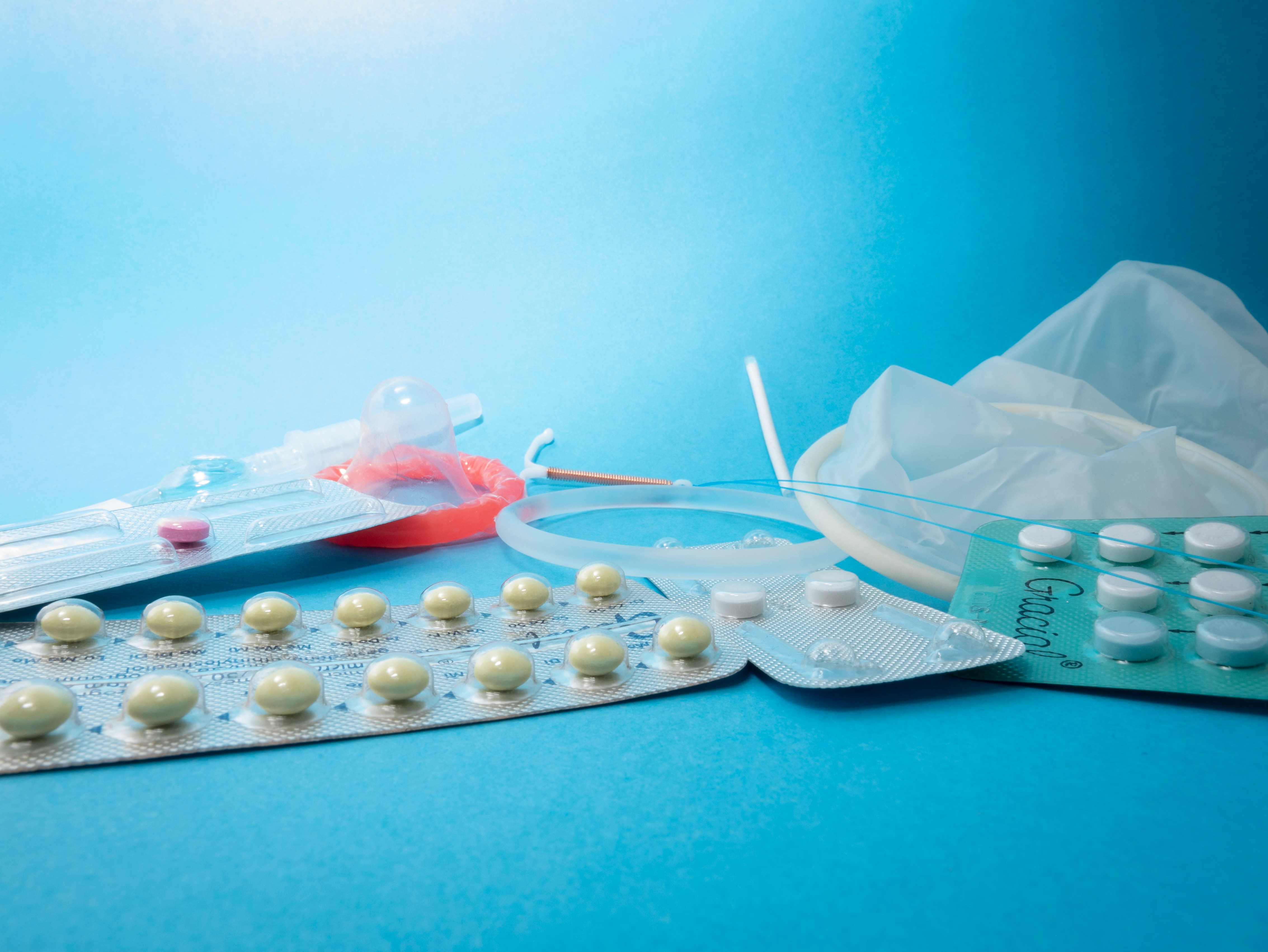
Does hormonal birth control make PMDD worse?
Hormonal birth control can both help and worsen PMDD, depending on the type of method and your individual hormone sensitivity. For some, pills like drospirenone–ethinyl estradiol reduce symptoms; for others, starting or stopping hormones triggers intense PMDD flares, making non‑hormonal options or app‑based tracking tools especially valuable.
What is PMDD and how is it different from “normal PMS”?
Premenstrual dysphoric disorder (PMDD) is a severe, hormone‑sensitive mood disorder that shows up in the luteal phase (after ovulation) and eases once bleeding starts. Unlike typical PMS, PMDD can cause debilitating depression, anxiety, rage, and functional impairment at work, in relationships, and in daily life. (Read More)
Researchers think people with PMDD have a heightened brain sensitivity to normal hormone shifts, particularly progesterone and its metabolite allopregnanolone, which affect serotonin and GABA pathways. That means the problem isn’t “too much” or “too little” hormone, but how your brain responds to those normal cyclical rises and falls.
How does hormonal birth control actually work in your body?
Combined hormonal contraceptives (CHCs – pills, patch, ring) contain synthetic estrogen and progestin that suppress ovulation by blocking the LH and FSH surge from the pituitary, flattening your natural cycle. Many regimens are 21/7 or 24/4 (days on hormones plus a short hormone‑free interval), which means you still experience a withdrawal bleed and a small hormonal “drop” every month.
Progestin‑only methods (mini‑pill, shot, implant, levonorgestrel IUD) predominantly act by thickening cervical mucus and thinning the uterine lining; some, like the shot and implant, also suppress ovulation. All hormonal methods, however, introduce synthetic progestins, which can be helpful for some but problematic for people whose PMDD is strongly progesterone‑sensitive.
Can hormonal birth control help PMDD symptoms?
Yes, for a subset of people, certain combined pills significantly reduce PMDD symptoms, particularly mood swings, irritability, and physical discomfort. Clinical trials show that drospirenone–ethinyl estradiol in a 24/4 regimen (for example, Yaz) improves both emotional and physical symptoms and is the only combined oral contraceptive specifically approved by the FDA to treat PMDD while preventing pregnancy.
Longer or continuous regimens that shorten or eliminate the hormone‑free interval can also help by avoiding repeated hormone withdrawal, which is a known trigger for PMDD and PMS symptoms. Some guidelines suggest that other monophasic CHCs with less androgenic progestins and continuous dosing may benefit people with PMDD, though the evidence is not as strong as it is for drospirenone‑containing pills.
Does hormonal birth control ever make PMDD worse?
Hormonal birth control can worsen mood symptoms in some people with PMDD, especially those who are very sensitive to progesterone. Studies and patient reports both show that while some experience relief, others notice more depression, anxiety, or emotional blunting after starting the pill, patch, ring, or progestin‑only methods.
Because all hormonal contraceptives involve exposure to synthetic progestins, there is concern that progestin‑only methods (mini‑pill, shot, implant, levonorgestrel IUD) may be more likely to trigger mood deterioration in those with PMDD, although data are limited and not fully conclusive. Experts emphasize that there are “no firm conclusions” yet about progestin‑only contraception and PMDD, so individualized, cautious prescribing and close follow‑up are important.
Why does birth control help some people with PMDD but not others?
There are a few key reasons why responses are so mixed:
Hormone sensitivity differences: PMDD is linked to brain sensitivity to progesterone shifts and its metabolites, so adding synthetic hormones can either stabilize or destabilize that system depending on your biology.
Regimen design: Pills that prevent ovulation and minimize hormone‑free days tend to reduce fluctuations, which can help, while cyclic regimens with weekly withdrawal can still trigger symptoms.
Type of progestin: Less androgenic progestins like drospirenone or desogestrel may be better tolerated in PMDD than more androgenic ones, but research is still evolving.
Other mental health conditions: Co‑existing anxiety, depression, or trauma histories make it harder to tease out what is “hormonal” versus “baseline,” and shifts on birth control may feel more intense.
This is why trial‑and‑error with good tracking (for example, using a symptom‑tracking app), like HealCycle is often necessary when using hormonal birth control for PMDD.
Does coming off the pill trigger PMDD flares?
For many, yes – stopping hormonal contraception can trigger a temporary spike in PMDD symptoms as your brain and ovaries “reboot” to a natural cycle. When you come off the pill, ovulation resumes and your endogenous estrogen and progesterone begin to rise and fall again, which can re‑expose you to the very luteal‑phase swings that drive PMDD.
Some people also experience a kind of rebound effect: after months or years of blunted fluctuations on the pill, the return of natural cycling feels more intense, and mood, sleep, and energy can swing sharply during the first few post‑pill cycles. This adjustment period can last several months, so tracking symptoms daily helps distinguish a short‑term flare from a longer‑term pattern that might require a different treatment plan.
How can you reduce PMDD flares when coming off birth control?
You cannot completely guarantee a flare‑free transition, but you can soften the landing:
Plan your timing: If possible, stop the pill during a relatively stable life period (not mid‑move or in exam season), so you have capacity to cope with a few rocky cycles.
Track your cycle and symptoms daily: Use a dedicated PMDD or menstrual health app to log mood, energy, sleep, and physical symptoms; this data helps you and your clinician see patterns and intervene early.
Discuss bridging treatments: Some people benefit from SSRIs, CBT, or lifestyle interventions (exercise, sleep hygiene, nutrition) while hormones resettle.
Schedule check‑ins: Regular follow‑up with a clinician in the first 3–6 months off the pill allows dose adjustments or adding treatments if flares become severe.
Besides birth control, what other treatments help PMDD?
Evidence‑based PMDD care usually combines several approaches:
SSRIs (selective serotonin reuptake inhibitors): They are considered a first‑line treatment and can be taken daily or only in the luteal phase.
Cognitive‑behavioural therapy and skills‑based therapies: These help with coping, relationship strain, and planning around high‑symptom days.
Lifestyle and natural strategies: Regular exercise, good sleep, structured stress management, and certain supplements (e.g., calcium, vitamin B6, magnesium) have modest but meaningful effects for some.
Advanced options: In severe, treatment‑resistant PMDD, GnRH agonists or (rarely) surgical options are considered in specialist care.
Check out this article for a complete guide to PMDD related issues.
Disclaimer:
The information provided in this blog post is for informational purposes only and does not constitute medical advice. It is not intended to be a substitute for professional medical advice, diagnosis, or treatment. Always seek the advice of your qualified healthcare provider with any questions you may have regarding a medical condition or before starting any new treatment or making any changes to existing medical care.
Bibliography
Contraceptive options for women with premenstrual dysphoric disorder. International Journal of Women’s Health. 2016.pmc.ncbi.nlm.nih
Birth Control for PMDD Treatment. Healthline. Updated 2025.healthline
Contraception counseling for women with premenstrual dysphoric disorder. International Journal of Women’s Health. 2019.pmc.ncbi.nlm.nih
Premenstrual dysphoric disorder: When it's more than just PMS. Harvard Health Publishing. 2015.harvard
10 Natural Treatment Options for PMDD. Healthline. Updated 2023.healthline
Management of Premenstrual Dysphoric Disorder: A Scoping Review. 2022.pmc.ncbi.nlm.nih
Latest
From the Blog
Discover fresh insights, practical tips, and empowering stories to help you learn and grow in your PMDD healing journey. We're always here to remind you that you're not alone