Pregnancy
PMS vs Pregnancy Symptoms: How to Tell the Difference (And What to Do Next)
PMS vs Pregnancy Symptoms: How to Tell the Difference (And What to Do Next)
If you're experiencing tender breasts, fatigue, and mood swings, you're probably wondering whether you're dealing with premenstrual syndrome (PMS) or early pregnancy. Both conditions share remarkably similar symptoms because they're driven by the same hormone—progesterone—making it challenging to distinguish between them without a pregnancy test.
Check out these articles to know more about PMS-
What Are the Most Common Overlapping Symptoms?
PMS and early pregnancy share several telltale signs that can leave you second-guessing. Almost 50% of people who menstruate experience at least one PMS symptom, while up to 25% of pregnant women experience early pregnancy symptoms before even missing their period.
The most common overlapping symptoms include:
Breast tenderness and swelling - Both conditions cause hormonal changes that make breasts feel fuller and more sensitive
Fatigue - Increased progesterone levels cause tiredness in both PMS and pregnancy
Bloating and abdominal discomfort - Hormonal fluctuations affect digestion similarly
Mood swings - Emotional changes occur due to shifting hormone levels
Headaches - Sudden hormonal surges can trigger headaches in both cases
Food cravings or aversions - Changes in appetite are common
Cramping - Mild abdominal discomfort appears in both scenarios
How Can I Tell If My Breast Tenderness Is PMS or Pregnancy?
Breast changes offer one of the clearest distinguishing factors between PMS and pregnancy. With PMS, breast tenderness typically feels like a dull ache and usually resolves once your period starts. Women may notice this symptom as early as 1 to 2 weeks after conception during pregnancy, and the sensation tends to be more intense and sensitive to touch. Pregnancy-related breast changes often include additional nipple sensitivity and visible changes to the areola that don't occur with PMS.
Is Nausea a Sign of PMS or Pregnancy?
Nausea serves as a significant differentiator between the two conditions. While some women may experience mild digestive discomfort with PMS, severe nausea and vomiting are more commonly associated with early pregnancy. This symptom can start anywhere from 2 to 8 weeks after conception and can continue throughout pregnancy, commonly referred to as "morning sickness" even though it can occur at any time during the day. PMS-related nausea is typically milder and resolves once menstruation begins.
What's the Difference Between PMS Cramping and Implantation Cramping?
Cramping patterns differ noticeably between PMS and early pregnancy. PMS-related cramps tend to be more severe and radiate from the lower abdomen to the back and legs. In contrast, pregnancy-related cramps from implantation are often localized only in the lower abdomen and feel milder. These implantation cramps typically occur 6 to 12 days after conception when the fertilized egg attaches to the uterine wall.
Can Spotting Help Me Determine If I'm Pregnant?
Light bleeding or spotting can actually indicate pregnancy rather than PMS. One study shows as many as 25% of pregnant women experience slight bleeding or spotting that is lighter in color than normal menstrual blood. This implantation bleeding typically appears pink, brown, or reddish and lasts only 24 to 48 hours around the time implantation occurs. PMS does not cause spotting—instead, it's followed by regular menstrual bleeding that is heavier and lasts longer.
When Do Symptoms Typically Appear for PMS vs Pregnancy?
Timing provides crucial clues for distinguishing between the two conditions. PMS symptoms usually appear one to two weeks before your period and end within a few days of menstruation starting. The symptoms must recur for at least three menstrual cycles in a row to receive a PMS diagnosis. Early pregnancy symptoms, however, can begin as early as 1 week after conception for some symptoms like fatigue and breast tenderness, while others like nausea typically start 2 to 8 weeks after conception. Most importantly, pregnancy symptoms persist beyond when your period would normally start.
Does Fatigue Feel Different in PMS vs Pregnancy?
Both conditions cause fatigue, but the intensity and duration differ. PMS-related fatigue is typically mild to moderate and improves once your period arrives. During early pregnancy, many women feel more tired because their bodies are producing more progesterone, which helps maintain the pregnancy and encourages the growth of milk-producing glands in the breasts. Additionally, during pregnancy the body pumps more blood to carry nutrients to the fetus, intensifying the feeling of exhaustion. This pregnancy-related fatigue persists beyond the missed period rather than resolving.
What About Mood Changes—How Are They Different?
While both conditions cause emotional shifts, the specific mood changes differ. PMS commonly includes feelings of sadness, depression, not wanting to be around other people, anxiety, irritability, sudden bouts of anger, crying more than usual, feelings of confusion, and difficulty concentrating. Early pregnancy, by contrast, tends to cause sharp mood swings and heightened emotional sensitivity that can occur as early as a few weeks after conception. The hormonal changes during pregnancy often cause more extreme emotional responses than typical PMS.
Are There Pregnancy-Specific Symptoms That Don't Occur With PMS?
Several symptoms appear exclusively or predominantly in pregnancy. Frequent urination is one key differentiator—in the first few weeks of pregnancy, the body produces human chorionic gonadotropin (hCG), which increases blood flow to the pelvic region, causing women to urinate more often. This symptom is not typical of PMS. Additionally, strong aversions to previously enjoyed foods or intense cravings for specific foods are more characteristic of pregnancy than PMS. A missed period remains the primary and most reliable sign that distinguishes pregnancy from PMS.
Quick Comparison: PMS vs Pregnancy Symptoms
Symptom | PMS | Early Pregnancy |
|---|---|---|
Breast Tenderness | Dull ache, resolves when period starts | Intense, tender to touch, nipple changes |
Fatigue | Mild to moderate, improves after period | Persistent, continues beyond missed period |
Mood Changes | Irritability, sadness, anxiety | Sharp mood swings, emotional sensitivity |
Cramping | Moderate to severe, radiates to back/legs | Mild, localized in lower abdomen |
Nausea | Rare, mild digestive discomfort | Common (morning sickness), 2-8 weeks after conception |
Food Cravings | Common, especially sweet or salty foods | Strong aversions or specific cravings |
Bloating | Common, resolves after period | Persistent, doesn't resolve |
Spotting/Bleeding | None (period bleeding is heavier) | Light pink/brown spotting (25% of pregnancies) |
Frequent Urination | Not typical | Very common, starts early |
Missed Period | Period arrives on schedule | Primary sign of pregnancy |
What Should I Do If I'm Still Unsure?
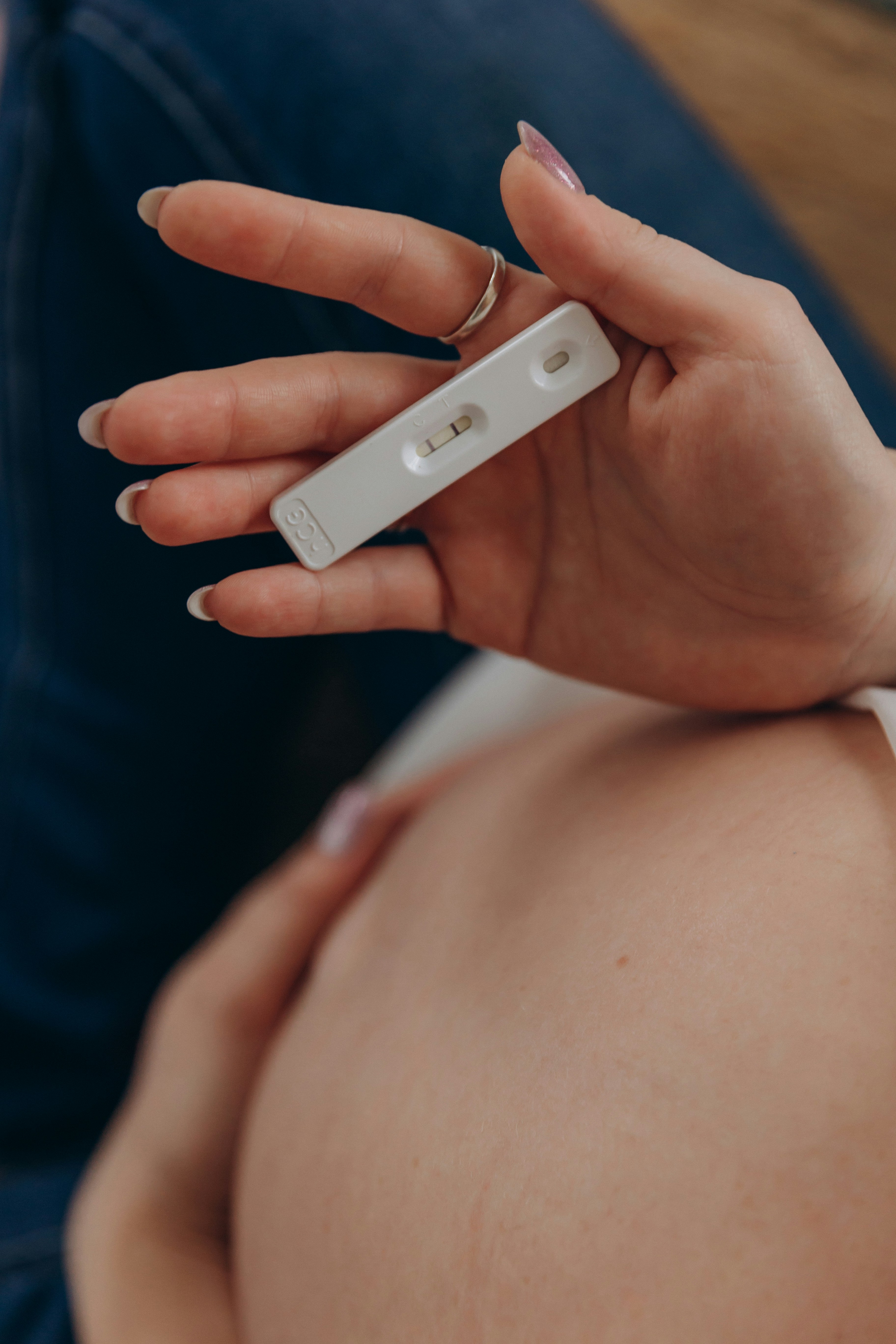
The only definitive way to confirm pregnancy is through testing. If you've missed your period or your symptoms persist beyond when menstruation would normally begin, take a home pregnancy test. For most accurate results, wait until at least the first day of your missed period to test. Women should see their healthcare provider if they suspect they are pregnant or if they have another health problem, as missing a period does not always mean pregnancy. Your provider can perform blood tests and ultrasound examinations to confirm pregnancy status.
How Can Tracking Help Me Identify Patterns?
Consistent symptom tracking provides invaluable insights into your unique cycle patterns. By recording when symptoms appear, their severity, and how long they last, you can better distinguish between your normal PMS pattern and potential pregnancy symptoms. Healthcare providers recommend tracking how many days pass between periods, how many days you bleed, the intensity of bleeding, what symptoms you experience, and when PMS symptoms appear and disappear— with HealCycle you can do that plus also get personalised guidance from Tara!
Track your symptoms with HealCycle to identify patterns in your menstrual cycle and recognize when something feels different. Whether you're managing PMS or watching for early pregnancy signs, HealCycle helps you log symptoms, monitor changes, and make informed decisions about your reproductive health.
When Should I Contact a Healthcare Provider?
Contact a healthcare provider if you're unable to determine whether you're experiencing PMS or pregnancy, especially if symptoms are severe or disruptive. You should seek medical attention if you experience heavy bleeding, severe abdominal pain, or symptoms that significantly interfere with your daily life. Additionally, if you receive a positive pregnancy test result, schedule an appointment to begin prenatal care. Your provider can help rule out other conditions like thyroid disorders, anxiety, depression, or chronic fatigue syndrome that may mimic PMS symptoms.
References
Latest
From the Blog
Discover fresh insights, practical tips, and empowering stories to help you learn and grow in your PMDD healing journey. We're always here to remind you that you're not alone