Hormones
Is Post Birth Control Syndrome Real?
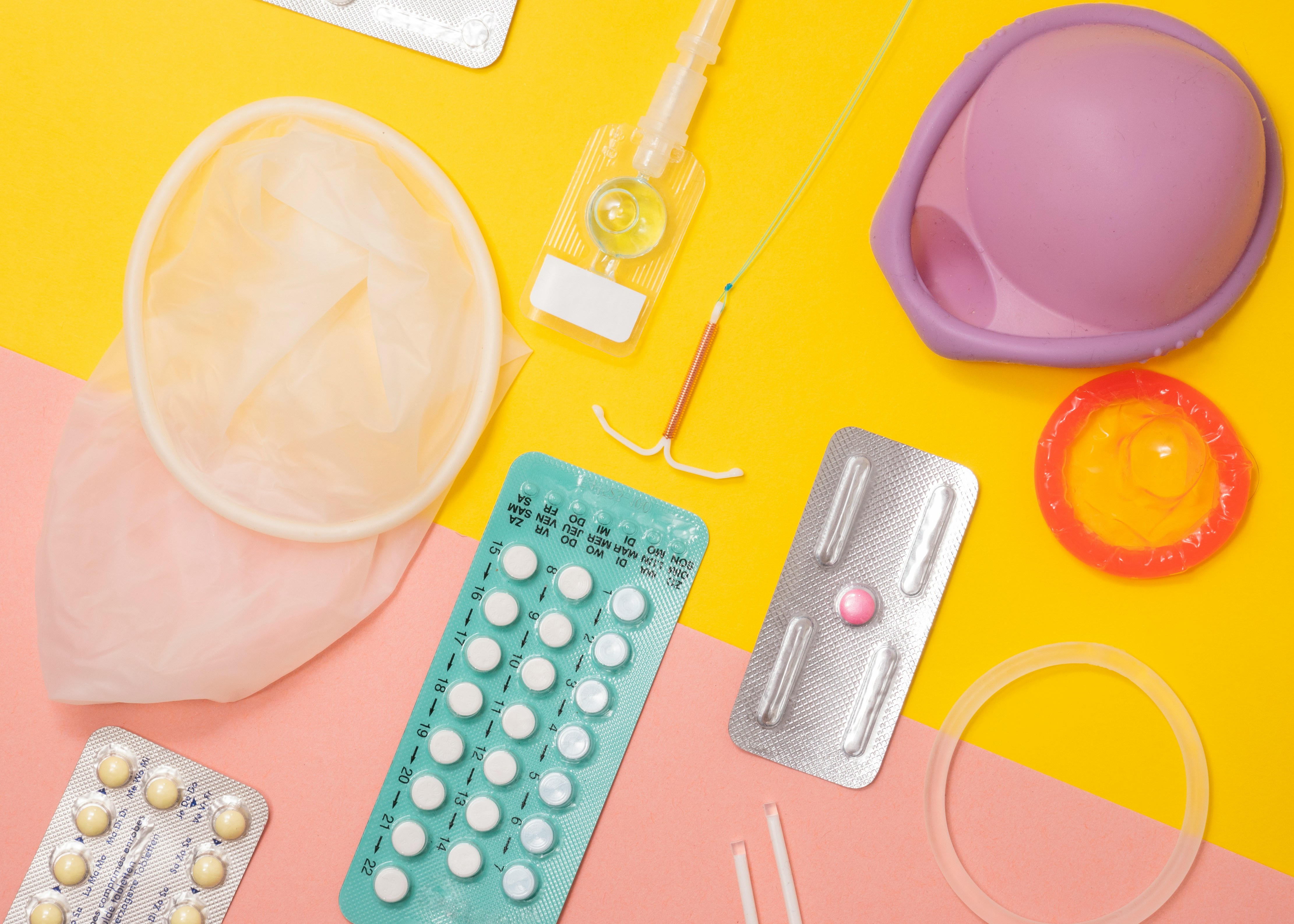
Coming off hormonal birth control can feel like riding an emotional rollercoaster all over again—especially if your old PMS or PMDD symptoms slam back harder than you expected. This article walks you through what’s really going on, what’s evidence‑based, and how to start tracking patterns with HealCycle so you feel informed instead of blindsided.
What is “post‑birth control syndrome” and is it real?
“Post‑birth control syndrome” is not an official medical diagnosis, but it’s a popular term people use for the cluster of symptoms that can show up after stopping hormonal contraception (pill, patch, ring, hormonal IUD, implant). Fertility clinics and clinicians sometimes use the phrase descriptively to talk about irregular periods, acne, and mood changes after discontinuation, even though it does not appear as a formal condition in major diagnostic manuals.
Large health resources describe these symptoms without using the label: after stopping hormonal birth control, many people experience changes in their cycle, heavier or more painful periods, mood shifts, and a return of PMS‑type symptoms. Most bodies re‑adjust within a few months, but that transition period can be very uncomfortable—especially if you also live with PMS or PMDD.
Why do PMS or PMDD come back after stopping the pill?
Combined hormonal contraceptives (like most pills, patches, and rings) work by suppressing ovulation and flattening your natural hormonal fluctuations. When you stop, your ovaries “wake up,” ovulation resumes, and your own estrogen and progesterone begin rising and falling again across the cycle.
For some people, those natural hormone swings are exactly what trigger PMS or PMDD symptoms such as severe mood swings, anxiety, irritability, or depression in the luteal phase (the week or two before bleeding). Harvard Health and the MGH Center for Women’s Mental Health both emphasize that PMDD is a hormone‑sensitive mood disorder where symptoms appear cyclically before menstruation and settle shortly after bleeding starts. If your pill was helping smooth out those swings, its removal can unmask the underlying pattern again.
What symptoms can happen after stopping hormonal birth control?
Official health and medical sites report a wide range of possible symptoms after discontinuing hormonal contraception, especially in the first months while your body recalibrates.
Common post‑birth control changes
Irregular or delayed periods, or temporary missed periods
Heavier bleeding or more painful cramps
More noticeable ovulation pain or mid‑cycle cramping
Return or worsening of PMS/PMDD symptoms and mood changes
Skin changes like acne and oiliness
Headaches or breast tenderness
Changes in libido and weight fluctuations
Medical reviews highlight that these effects are usually temporary and that most people settle into their new “baseline” cycles within a few months, though the exact timeline varies by individual and the type of birth control used.
How long does it take for hormones and cycles to “reset”?
According to clinical and patient‑education resources, ovulation and bleeding can return quickly in some people, while others may take several months to regulate. Many individuals see their cycle pattern becoming more predictable within about 3–6 months after stopping hormonal contraception, though some will normalize sooner and some later.
Fertility specialists note that side effects like irregular cycles, mood swings, and skin changes often improve as the hypothalamic‑pituitary‑ovarian axis re‑establishes its rhythm. If you have no period at all (amenorrhea) for more than 3–6 months after stopping, or your symptoms are escalating instead of easing, professional evaluation is recommended.
Can going off the pill “cause” PMDD?
Current evidence suggests that PMDD is not caused by birth control itself, but by an abnormal sensitivity of the brain to normal hormonal fluctuations across the cycle. Research indicates that people with PMDD have mood symptoms that track closely with the menstrual cycle, even though their hormone levels are usually within normal ranges.
What hormonal contraceptives can do is modify those fluctuations: certain combined pills (especially those containing drospirenone in a 24/4 schedule) have been shown to improve PMDD symptoms in many patients. Once you stop, that stabilizing effect is gone, so PMDD can appear for the first time or “return” if it was present but masked before. This is why specialist centers stress the importance of prospective tracking before making or confirming a PMDD diagnosis.
What do experts recommend for managing PMDD/PMS after stopping birth control?
Psychiatric and gynecologic guidelines are fairly consistent: for moderate to severe PMS or PMDD, selective serotonin reuptake inhibitors (SSRIs) are considered first‑line treatment, whether or not you are using hormonal contraception. These can be taken daily or only during the luteal phase (from ovulation until your period starts), depending on your pattern and your clinician’s advice.
Some individuals also benefit from carefully chosen combined hormonal contraceptives if they still want pregnancy prevention; pills containing drospirenone and shorter or absent hormone‑free intervals have the best evidence in PMDD.
Lifestyle strategies such as regular exercise, sleep hygiene, limiting alcohol, and stress‑reduction techniques (like mindfulness and relaxation practices) are commonly recommended as supportive measures, especially for milder PMS. It is important to work with a clinician experienced in menstrual mood disorders, as treatment often needs personal fine‑tuning.
When should you see a doctor or mental health professional?
Professional organizations and academic centers emphasize that you should seek medical help if:
Your mood symptoms (depression, anxiety, rage, hopelessness) are severe or feel out of control.
You have thoughts of self‑harm, suicide, or harming others—this is always an emergency.
Symptoms significantly disrupt work, relationships, or daily functioning in most cycles.
You have gone several months without a period after stopping birth control.
You develop very heavy bleeding, severe pain, or other worrying physical symptoms.
Clinicians will typically review a detailed symptom diary, rule out other medical or psychiatric conditions, and discuss treatment options tailored to your priorities (including contraception needs and pregnancy plans).
HealCycle is designed for exactly this kind of cycle‑aware tracking: you can log mood, physical symptoms, medications, and life events day by day, and then see the trends laid out against your menstrual phases. Over a few months, this can make your “post‑birth control” journey feel less chaotic and more like an experiment you’re actively guiding, especially when you bring those charts into your appointments.
What practical steps can you take right now?
Evidence‑based resources and clinicians generally suggest a layered approach: support your body, track your patterns, and seek treatment if symptoms are moderate to severe.
Give your body an adjustment window, typically 3–6 months, while keeping an eye on any red‑flag symptoms.
Start disciplined tracking of mood and physical symptoms so you can see trends instead of isolated “bad days.”
Prioritize sleep, regular balanced meals, and movement to stabilize energy and mood.
Talk with a clinician about options such as SSRIs, CBT (cognitive‑behavioral therapy), or a different form of contraception if symptoms are affecting your life.
Your hormones are shifting, but you are not powerless. With structured tracking, qualified medical support, and tools like HealCycle, you can move from feeling blindsided by “post‑birth control syndrome” to understanding what your body is telling you—and what to do next.
References
MGH Center for Women’s Mental Health. PMS & PMDD – Premenstrual Mood Changes.
Harvard Health Publishing. Premenstrual dysphoric disorder: When it’s more than just PMS.
Medical News Today. Stopping birth control: Side effects and remedies.
Brown Health / Lifespan. Getting off birth control: Frequently asked questions.
CCRM Fertility. Post‑Birth Control Syndrome: Symptoms.
PubMed Central. Contraceptive options for women with premenstrual dysphoric disorder.
Ubie Health. Struggling After Stopping the Pill? Your Post‑Birth Control Roadmap.
Latest
From the Blog
Discover fresh insights, practical tips, and empowering stories to help you learn and grow in your PMDD healing journey. We're always here to remind you that you're not alone