Treatment
Histamine & PMDD: The Missing Link You Might Not Know About

Histamine & PMDD: The Missing Link You Might Not Know About
What is Histamine?
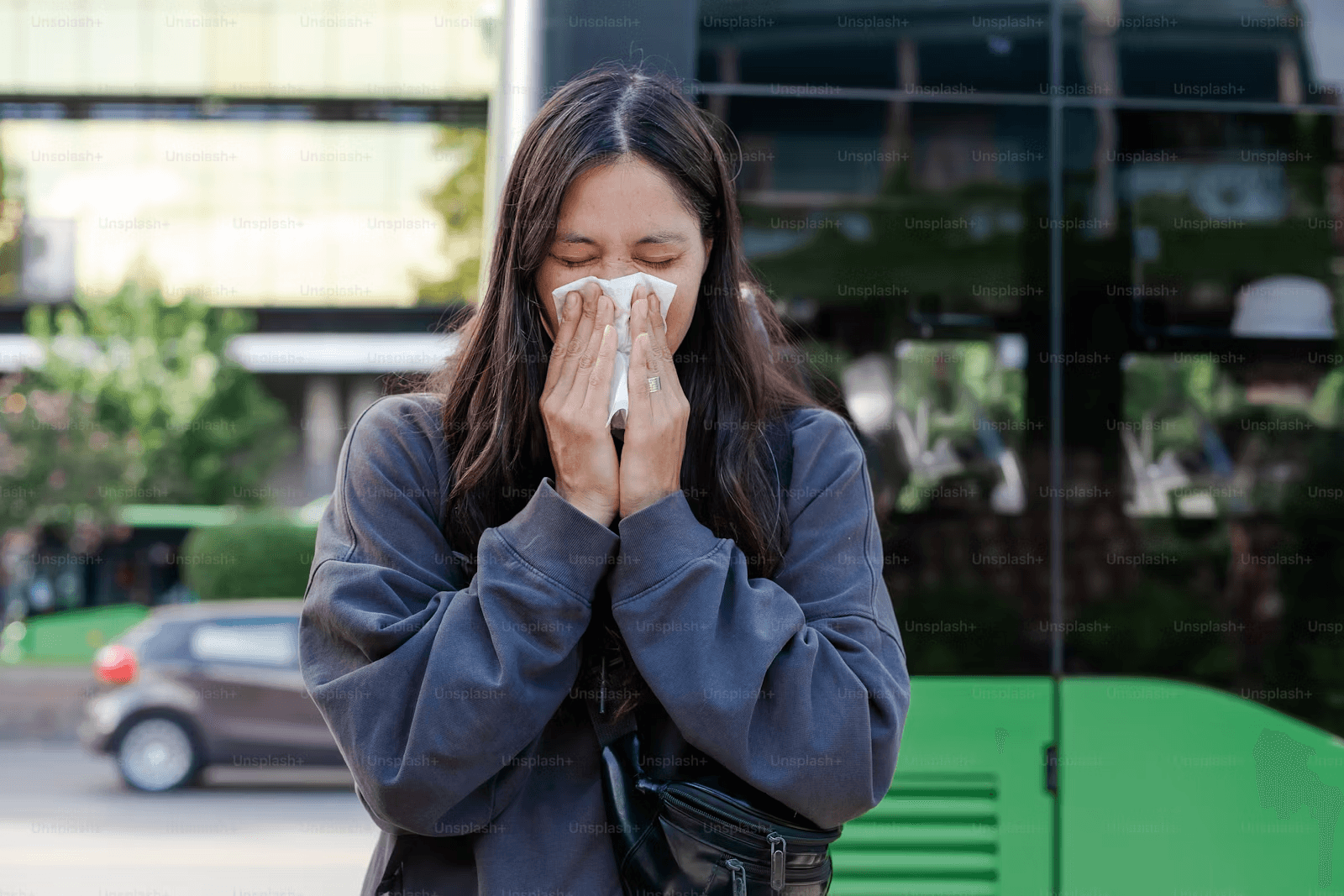
Most of us think of histamine as the thing that causes sneezing, itching, or allergies. But histamine does much more than that. It’s a chemical released by mast cells (immune cells involved in allergic reactions), and it also acts as a neurotransmitter. This means it can influence your mood, digestion, pain perception, sleep, and even anxiety levels.
In other words, histamine doesn’t just affect your nose; it affects your brain and body too (Histamine in the brain).
How does it relate to PMDD?
Histamine and estrogen are closely linked. Throughout your menstrual cycle, histamine levels tend to rise alongside estrogen, especially just before ovulation and during the luteal phase (the second half of your cycle). This fluctuation suggests histamine may contribute to common premenstrual symptoms, including mood swings, bloating, and breast tenderness.
In those with PMDD, histamine levels are often elevated, worsening mood-related symptoms like anxiety and irritability. Estrogen, which changes throughout the menstrual cycle, stimulates mast cells to release more histamine. This interaction between estrogen, mast cells, and histamine may play a crucial role in the intensity of PMDD symptoms. Symptoms that could be histamine-driven include anxiety, mood swings, period cramps, fatigue, bloating, and headaches
This is why PMDD often hits hardest after ovulation. Histamine spikes, your system struggles to clear it, and suddenly, everything feels heavier. And if your body isn’t clearing it properly, you feel the crash. That’s why PMDD symptoms often hit hard in the second half of your cycle.
What is the role of DAO, the missing enzyme?
DAO (diamine oxidase) is the enzyme that helps break down histamine. When it’s low, histamine piles up. The more it builds, the worse you feel, especially during your luteal phase. High histamine messes with your brain chemistry and hormones, making your PMDD feel out of control.
The role of antihistamines
Given histamine’s role in PMDD, some wonder if antihistamines could help relieve symptoms. By blocking histamine, these medications may ease mood issues like anxiety and irritability, as well as physical symptoms such as bloating and breast tenderness. Though research is limited, small studies and anecdotal reports suggest potential benefits, especially for those with histamine intolerance or Mast Cell Activation Syndrome (MCAS).
Two types of antihistamines are commonly used, which include:
H1 Blockers: often used for allergies, they may help with PMDD-related mood swings and physical discomfort.
H2 Blockers: typically used for acid reflux, but may also support mood and reduce inflammation when combined with H1 blockers.
While antihistamines aren’t a cure, and research is still emerging, small studies and lived experiences suggest they can offer relief, especially for those with histamine intolerance or Mast Cell Activation Syndrome (MCAS). It’s important to remember that they manage symptoms, not the root cause.
Strategies to reduce histamine
Supporting your body can make a difference. Some gentle strategies include:
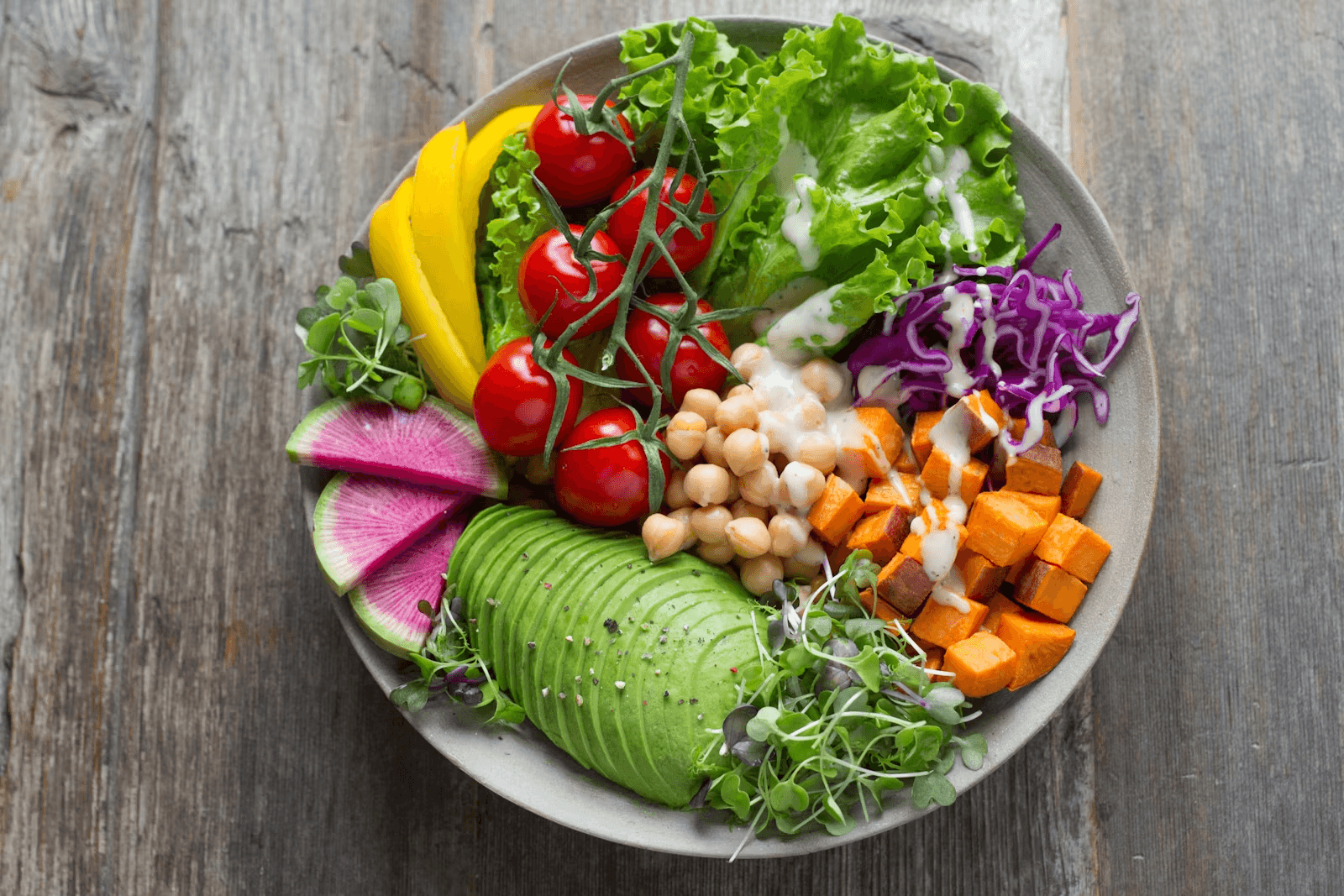
Reducing high-histamine foods like alcohol, aged cheese, fermented foods, and tomatoes
Supporting the body with nutrients like vitamin B6, magnesium, and quercetin
Calming the nervous system, since stress can increase mast cell activation
Understanding your histamine triggers starts with noticing patterns. When do symptoms peak? What foods, stressors, or cycle phases make things worse?
That’s where staying consistent with HealCycle can help. By tracking your symptoms and factors, you can spot connections between histamine-related symptoms and hormonal shifts and finally feel a sense of control over what your body is trying to tell you.
Sometimes, clarity is the first step toward relief.
Disclaimer
The information provided in this blog post is for educational purposes only and should not be considered medical advice. It is essential to consult with a qualified healthcare professional for diagnosis, treatment, and personalized recommendations regarding your specific health condition. Always discuss any new treatments or lifestyle changes with your doctor, especially if you have pre-existing health conditions or are taking medications.
Sources
Latest
From the Blog
Discover fresh insights, practical tips, and empowering stories to help you learn and grow in your PMDD healing journey. We're always here to remind you that you're not alone