PMDD
Can PMDD Cause Bad Skin?
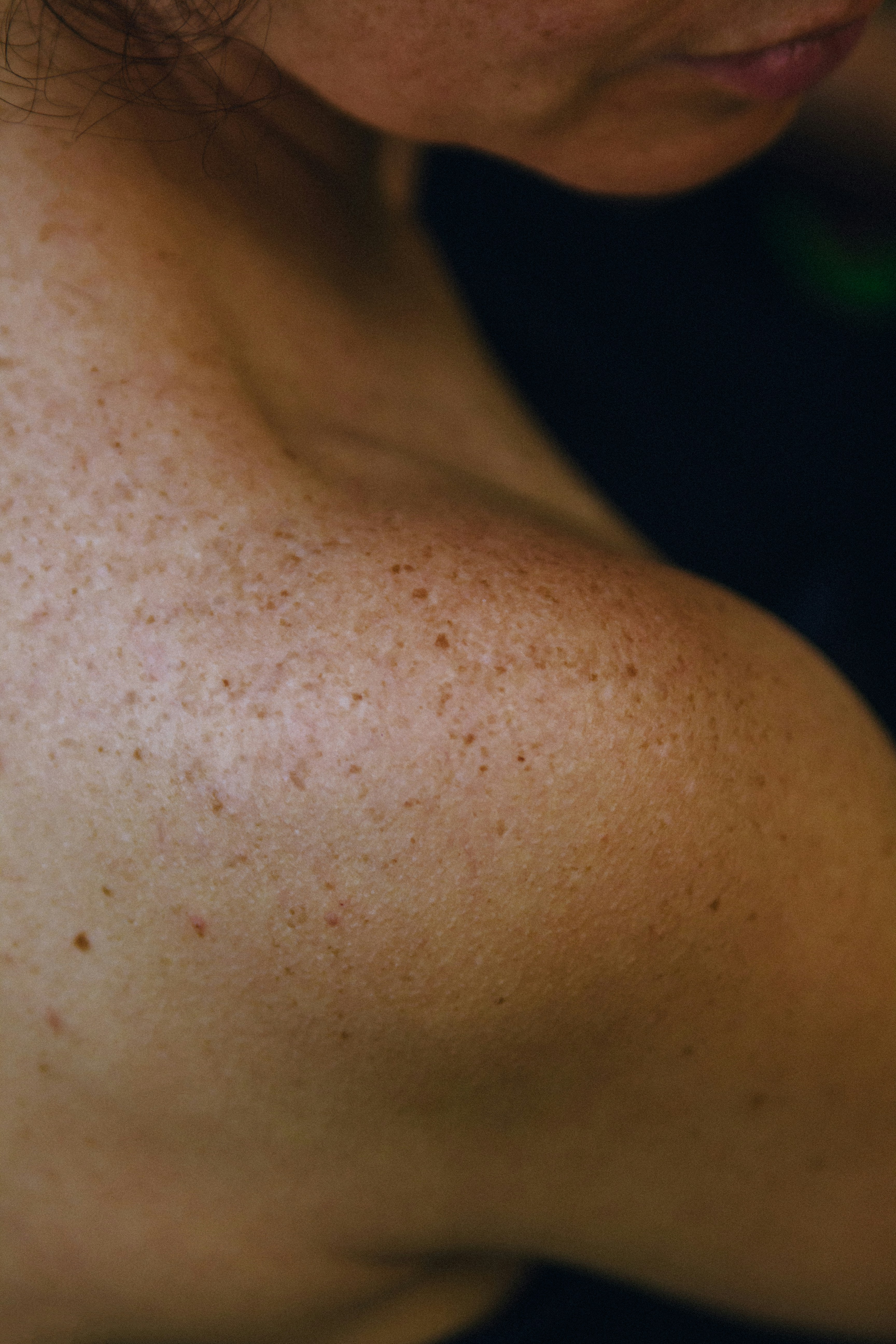
PMDD can make your skin break out, feel oilier, more sensitive, and even impact your self-confidence—especially in the Indian climate and lifestyle context. Tracking your cycle and symptoms with an app like HealCycle can help you predict and manage both mood and skin changes more effectively.
How can PMDD affect my skin and cause breakouts?
PMDD itself is driven by an increased sensitivity to normal hormonal fluctuations rather than consistently abnormal hormone levels. These fluctuations—especially in progesterone and oestrogen during the luteal phase—can influence sebaceous (oil) glands and inflammatory pathways, contributing to acne, oiliness, and skin sensitivity.
Around the premenstrual phase, many menstruators notice flare‑ups of acne on the face, jawline, and sometimes back or chest, along with increased redness and delayed healing of existing pimples.
In PMDD, this skin component can feel worse because it sits on top of already severe mood and physical symptoms, compounding distress and body image concerns.
Why do hormonal changes in PMDD trigger acne and other skin issues?
During the luteal phase (after ovulation and before your period), progesterone rises and then falls, and oestrogen levels also fluctuate, which can increase sebum (oil) production and change the skin barrier. Increased sebum and clogged pores provide a favourable environment for acne‑causing bacteria and local inflammation, leading to whiteheads, blackheads, and inflamed pimples.
Meanwhile, mood changes, poor sleep, and stress—common in PMDD—raise stress hormones like cortisol, which can further worsen acne and delay healing of existing lesions.
Sleep disruption and low energy also make it harder to maintain consistent skincare habits, indirectly contributing to more frequent flare‑ups.
What PMDD‑related skin symptoms are common in Indian menstruators?
Common skin changes around the premenstrual phase include:
Increased oiliness on the T‑zone and jawline
New pimples or comedones (blackheads/whiteheads) around the chin, jaw, and cheeks
Painful, deeper nodules or cystic lesions in some people
Skin sensitivity, redness, or burning sensation with products that are usually tolerated
Worsening of existing conditions like eczema, seborrheic dermatitis, or melasma
In India’s hot and humid climates, especially in cities like Delhi, Mumbai, Chennai or coastal regions, sweat and pollution can mix with increased premenstrual oil to clog pores further. People with underlying hormonal conditions like PMOS—already common in Indian women—may experience more pronounced cyclical acne when PMDD is also present.
How can I tell if my acne is PMDD‑related and not just “normal pimples”?
Look for cyclical patterns: if your breakouts consistently appear 7–14 days before your period and improve once bleeding starts, they are likely hormonally driven.
If these breakouts occur alongside emotional symptoms like severe irritability, depressed mood, anxiety, or sudden mood swings, you might be dealing with PMDD rather than just premenstrual acne.
Another clue is severity: PMDD‑linked phases may feel like a “wave” of symptoms—mood, physical changes like bloating and breast tenderness, and skin flare‑ups—together, every month.
Documenting at least two cycles of repeated patterns is often recommended to help clinicians differentiate PMDD from general PMS or non‑cyclical acne.
How can I track my PMDD symptoms, skin changes, and cycles effectively in India?
Consistent symptom tracking is one of the most recommended tools by clinicians for diagnosing and managing PMDD.
Charts like the Daily Record of Severity of Problems (DRSP) or structured symptom trackers help you record mood, physical, and skin symptoms across the month, revealing clear patterns.
In India, app‑based tracking can be especially convenient given smartphone penetration and busy urban routines. Using a cycle‑tracking platform like HealCycle allows you to log:
Daily mood (irritability, sadness, anxiety)
Physical symptoms (bloating, cramps, breast tenderness)
Skin symptoms (number of active pimples, oiliness, sensitivity)
Sleep quality, stress, and diet patterns
What does a PMDD–skin tracking table look like?
You can use a simple structure like this—
Cycle Day (approx) | Phase | Possible PMDD & Skin Changes |
|---|---|---|
Day 1–5 | Menstrual | Cramps, fatigue, mild breakouts healing, reduced oiliness |
Day 6–12 | Follicular | Mood relatively stable, skin calmer, fewer new pimples |
Day 13–15 | Around ovulation | Possible mild breakouts, some oiliness, increased discharge |
Day 16–28 | Luteal | PMDD mood symptoms, breast tenderness, bloating, increased acne and sensitivity. |
This table helps you anticipate when to simplify skincare, increase self‑care, and schedule tasks around your PMDD window. Using a digital tracker ensures you do not rely only on memory, which can be difficult when mood symptoms are heavy.
What lifestyle changes can help both PMDD and breakouts in the Indian context?
Evidence‑based recommendations for PMDD management include regular physical activity, stress management, balanced diet, and adequate sleep, all of which indirectly help skin health too.
In Indian diets, focusing on whole grains, lentils, fruits, vegetables, and limiting high sugar, refined carbohydrates, and excessive caffeine may reduce symptom intensity for some individuals.
Useful lifestyle steps include:
Movement: Regular exercise (walking, yoga, cycling) 4–5 times a week supports mood and may balance sebum and stress response.
Nutrition: Emphasise home‑cooked meals, adequate protein (dal, paneer, eggs, lean meats), and healthy fats (nuts, seeds) while moderating deep‑fried snacks and sugary drinks.
Sleep: Aim for 7–9 hours of sleep; poor sleep is linked with both mood worsening and acne flares.
Stress and coping: Practices like yoga, meditation, or pranayama, widely accessible across India, may lower stress and indirectly support both PMDD and skin.
Any supplements like vitamin B6, calcium, or magnesium should be taken under medical guidance, as some studies show benefit for mood and physical symptoms but dosing and safety need professional input.
What does a PMDD‑friendly skincare routine look like for Indian skin?
Dermatology and professional skincare guidance suggest a “gentle but consistent” routine for hormonal and premenstrual acne. The goal is to support the skin barrier, manage oil, and reduce inflammation without over‑stripping—especially important in India where pollution and heat already stress the skin.
Basic everyday routine (for most skin types):
Morning:
Gentle cleanser (non‑foaming or mild foaming)
Lightweight, non‑comedogenic moisturiser
Broad‑spectrum sunscreen (SPF 30 or higher), reapplied if outdoors
Night:
Gentle cleanse (double‑cleansing if using heavy sunscreen/makeup)
Targeted treatment if prescribed (like topical retinoids, benzoyl peroxide, or salicylic acid)
Moisturiser suited to your skin type
Premenstrual / luteal phase tweaks:
Introduce or continue salicylic acid (BHA) in a cleanser or spot treatment several days before expected breakouts to keep pores clearer.
Avoid introducing new harsh actives during your PMDD window, as the skin can be more reactive and your patience lower.
Which over‑the‑counter ingredients can help with PMDD‑related breakouts?
Evidence‑based and dermatologist‑favoured ingredients for acne‑prone skin include
Salicylic acid
Benzoyl peroxide
Topical retinoids
Non‑comedogenic moisturisers
although these should ideally be chosen under guidance if you have sensitive skin.
For dryness and sensitivity that sometimes appear in the luteal phase, ingredients like
Hyaluronic acid
Ceramides
Niacinamide can support barrier repair and reduce redness.
Key ingredients your routine might include (depending on your dermatologist’s advice):
Salicylic acid (BHA): Helps clear clogged pores and reduce breakouts; often used in cleansers or spot products.
Benzoyl peroxide: Reduces acne‑causing bacteria; effective for inflammatory lesions, but can be drying and should be used as directed.
Topical retinoids: Help regulate cell turnover and prevent clogged pores, often part of long‑term acne management under medical supervision.
Barrier‑supporting moisturisers: Ceramide‑rich or niacinamide‑containing products to support skin during irritability and stress.
When should I see a doctor in India for PMDD and skin problems?
Professional bodies and clinical reviews recommend seeing a healthcare provider if your premenstrual mood symptoms cause significant distress, impact work or relationships, or if you suspect PMDD. You should also consult a dermatologist if acne is severe (painful nodules, scarring, or persistent lesions) or not improving with over‑the‑counter care.
In India, you may start with:
A gynaecologist or psychiatrist for PMDD evaluation, especially if there is severe depression, irritability, or suicidal thoughts.
A dermatologist for tailored acne care, especially if you have combination issues like PCOS, hyperpigmentation, or recurrent boils.
Bringing your HealCycle logs (mood, cycle, and skin data) can help clinicians quickly see patterns and choose suitable treatment, such as SSRIs, hormonal options, or psychotherapy for PMDD. This collaborative approach ensures both your mind and skin are addressed, not treated in isolation.
What medical treatments are recommended for PMDD and do they help skin?
Systematic reviews show that selective serotonin reuptake inhibitors (SSRIs), taken continuously or only in the luteal phase, are effective first‑line treatments for PMDD. Combined oral contraceptives (COCs) containing certain progestins (like drospirenone with ethinyl oestradiol) are considered second‑line options and may help stabilise hormonal fluctuations and sometimes improve acne, though evidence varies and they are not suitable for everyone.
Other options in severe, refractory cases can include ovarian suppression strategies, but these are specialised and decided by experts on a case‑by‑case basis.
Any decision around SSRIs, hormonal pills, or other medications should be made with an Indian healthcare professional who considers your mental health, contraindications, and access to follow‑up.
How can I emotionally cope when PMDD and skin breakouts hit together?
PMDD can heavily affect emotional wellbeing, and visible skin changes can add another layer of distress and self‑consciousness. Expert sources highlight the importance of validating that PMDD is a real, recognised condition and encouraging people to seek help rather than dismissing themselves as “too sensitive”.
Helpful coping actions include:
Creating a “luteal phase plan” in HealCycle: lighter workloads, extra self‑care, pre‑planned meals, and built‑in rest days.
Planning low‑pressure social interactions and communicating to close friends or partners that you may need more support during specific cycle days.
Practicing self‑compassion around appearance, reminding yourself that acne and PMDD are medical, not moral, issues.
Accessing counselling or therapy (in person or tele‑mental health) to build coping skills and tackle negative thoughts.
Guide‑style steps to get started with HealCycle:
Set up your cycle: Enter your last period dates, average cycle length, and any known diagnoses (like PMDD, PCOS).
Log daily: Spend 2–3 minutes each day rating your mood, energy, skin status (number of pimples, oiliness, sensitivity), and sleep.
Tag your PMDD window: Once you recognise your luteal pattern, use tags or custom labels for “PMDD flare” or “breakout flare”.
Review after 2–3 cycles: Use trend views to see when skin flares predictably appear; adjust your skincare and lifestyle accordingly.
Share with your doctor: Use HealCycle logs to have more confident, data‑backed conversations with your gynaecologist, psychiatrist, or dermatologist.
Your next step: Start tracking today—your future self (and your skin) will thank you for having a clear map of what’s going on rather than feeling blindsided each month.
References
Evidence‑based treatment of Premenstrual Dysphoric Disorder.[pmc.ncbi.nlm.nih]
Updated insight into the pathophysiology of premenstrual dysphoric disorder.[sciencedirect]
Rainbow Hospitals – Premenstrual Dysphoric Disorder: Symptoms, Causes & Care.[rainbowhospitals]
Oasis Fertility – Guide to Female Hormone Disorders.[oasisindia]
Emoneeds – PMDD treatment in India.[linkedin]
ACOG – What I Wish Everyone Knew About Premenstrual Dysphoric Disorder.[acog]
PMS and skin: Why your hormones might be wreaking havoc on your face.[evelynhealth]
Professional skincare and hormonal acne guidance (LinkedIn article by clinician/skin professional).[linkedin]
PMDD symptom tracking resources.[hermoodmentor]
Latest
From the Blog
Discover fresh insights, practical tips, and empowering stories to help you learn and grow in your PMDD healing journey. We're always here to remind you that you're not alone