Research, Menstruation
Can Menstrual Blood Cure Heart Disease: A Study in Menstrual blood–derived stromal cells

Can Menstrual Blood-Derived Stromal Cells Repair the Heart?
Manshori M, et al. explored whether menstrual blood-derived stromal/stem cells (MenSCs) could support heart recovery after a heart attack in rats. The results are promising for future research. However, this is not a proven or routinely available heart treatment.
Heart disease conversations often overlook menstrual health, even though menstrual blood is becoming an important area of regenerative-medicine research. This guide explains what the study found, what it does not prove, and how people in India can separate science from misleading “stem cell cure” claims.
What Are Menstrual Blood-Derived Stromal Cells?
Menstrual blood-derived stromal cells, often called MenSCs, are cells collected from menstrual fluid. In laboratory settings, they show properties similar to mesenchymal stromal cells: they can multiply, release signalling molecules, and may influence inflammation and tissue repair.
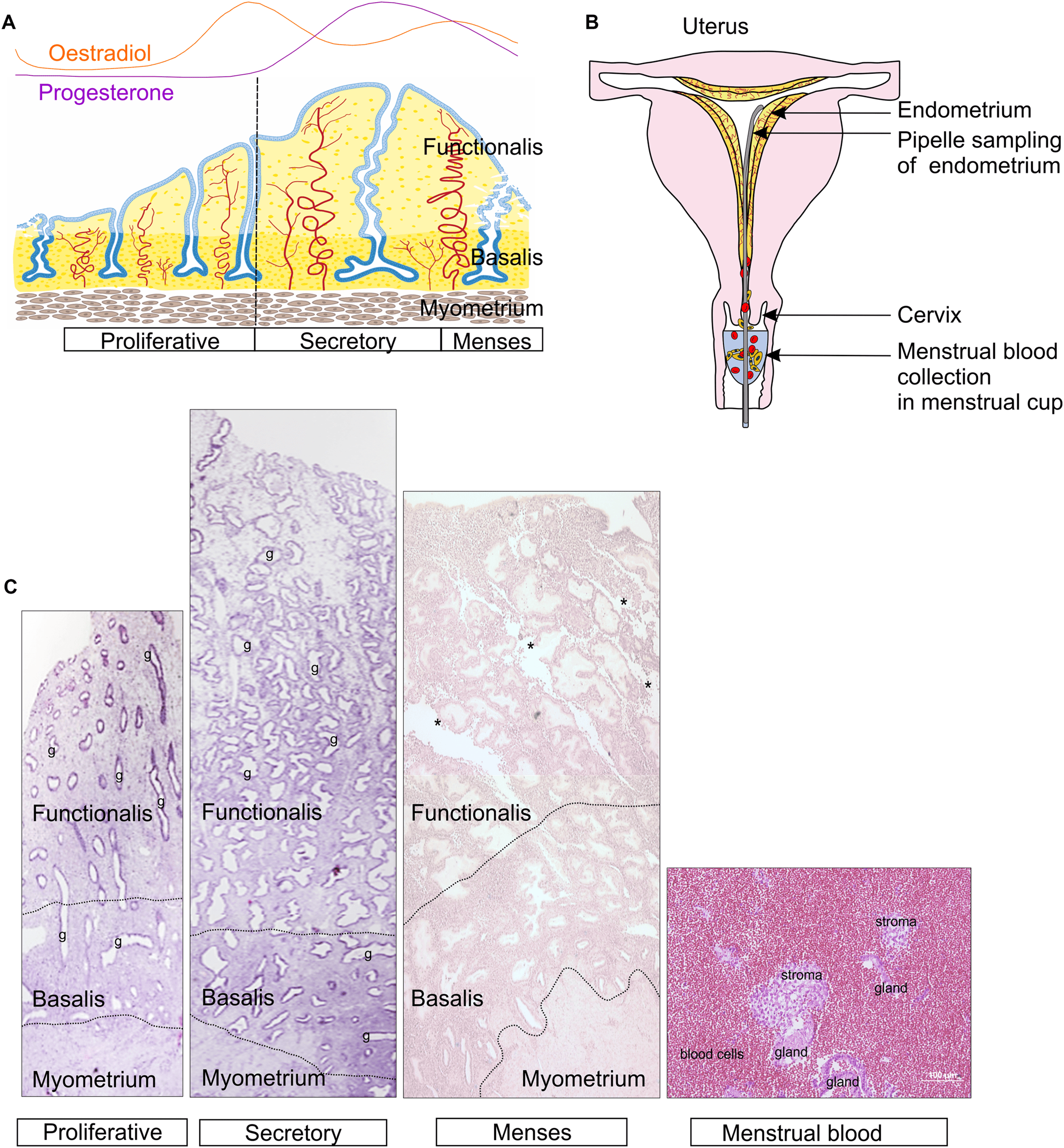
They are not “magic cells” that automatically become a new heart. Researchers are studying whether their effects come mainly from the helpful substances they release, their influence on inflammation, blood-vessel formation, and possibly transfer of cellular energy components called mitochondria.
Why Are Researchers Interested in Menstrual Blood?
Menstrual blood is being explored because it can be collected non-invasively from consenting donors, unlike bone marrow collection, which is more invasive. In the Manshori study, menstrual blood was collected from healthy volunteers using a menstrual cup, and cells were isolated and grown in a laboratory before they were used in animals.
Potential research advantages include:
Menstrual fluid is periodically available during reproductive years.
Collection can be less invasive than bone-marrow aspiration.
MenSCs can be expanded in controlled laboratory conditions.
Researchers are investigating their immune-modulating and anti-inflammatory signalling potential.
However, availability does not equal clinical readiness. Cells intended for human use require stringent donor screening, manufacturing controls, safety testing, and regulatory oversight.
What Was the Manshori M, et al. Heart Repair Study?
The paper, published in 2023 in the Avicenna Journal of Medical Biotechnology, is titled: Higher Improvement of Cardiac Function Following Myocardial Infarction Using Menstrual Blood Stromal/Stem Cells Suspended in Conditioned Medium versus Conditioned Medium Alone in Rat Model.
The researchers studied rats with experimentally induced myocardial infarction, which is the medical term for a heart attack. They compared the effects of menstrual blood-derived stromal cells plus their “conditioned medium” against conditioned medium alone and untreated heart-attack controls.
Professional research interpretation: This is a carefully designed preclinical animal study—not a human clinical trial. Its findings are useful for developing hypotheses, but they cannot confirm that the same approach is safe or effective in people.
How Did the Researchers Conduct the Study?
The study followed several distinct stages. Understanding these steps helps prevent a common misconception: laboratory cell research is very different from a doctor prescribing a validated treatment.
Study stage | What the team did | Why it matters |
|---|---|---|
Donor collection | Collected menstrual blood from five healthy volunteers, aged approximately 25 to 35 years, after consent | Obtained source material for MenSC culture. |
Cell isolation | Separated mononuclear cells and cultured the adherent cells in the laboratory | Produced a population of MenSCs for experiments. |
Cell identification | Used flow cytometry to examine cell-surface markers | Helped confirm the cultured cells had stromal-cell characteristics. |
Heart-attack model | Surgically blocked a coronary artery in adult male rats | Created an experimental model of myocardial infarction. |
Treatment groups | Compared sham, heart attack only, conditioned medium only, and MenSCs plus conditioned medium | Allowed researchers to test whether cells plus their secreted factors differed from factors alone. |
Outcome checks | Used echocardiography and tissue analysis at 7 and 28 days | Measured heart pumping, scar size, inflammation-related signals, and tissue changes. |
What Is “Conditioned Medium” in This Study?
Conditioned medium (CM) is fluid collected after cells have been grown in the laboratory. It contains substances released by the cells, such as growth factors, cytokines, and other signalling molecules.
Think of it this way:
MenSCs are the cells themselves.
Conditioned medium is the laboratory fluid containing substances the cells released.
MenSCs + CM means the study delivered both the cells and that signalling-rich fluid.
The study tested whether cell-free signals alone could help, versus whether combining the cells with their conditioned medium might have a stronger effect.
What Did the Study Find in Rats?
At 28 days after the experimental heart attack, rats that received MenSCs plus conditioned medium had better measures of heart pumping function than the untreated heart-attack group and, on some measures, than the conditioned-medium-only group. The researchers also reported smaller scar size compared with untreated rats.
They observed findings that may help explain the effect:
More preserved heart-muscle cells in injured areas.
Less collagen deposition, which is relevant because excess scar formation can stiffen heart tissue.
Lower activity of NF-kB, a molecular pathway involved in inflammatory signalling.
Evidence suggesting transfer of human mitochondria into rat heart-muscle cells in the treated group.
The authors concluded that MenSCs plus conditioned medium showed potential to protect heart tissue after myocardial infarction in this rat model, while also stating that further investigation is needed to clarify mechanisms and therapeutic relevance.
Does This Mean Menstrual Blood Can Cure Heart Damage?
No. This research does not show that menstrual blood—or a menstrual blood cell product—can cure heart damage in humans. It studied a small number of laboratory animals under controlled conditions, with cells prepared through specialised research processes.
Important gaps remain before any human use could be considered:
Human safety data.
The right dose, route, and timing.
Long-term monitoring for adverse effects.
Reliable, standardised cell manufacturing.
Randomised human clinical trials that compare the approach with standard care.
Independent replication by other research teams.
The Indian Council of Medical Research (ICMR) and Department of Biotechnology state that stem-cell use in patients, apart from approved haematopoietic stem-cell transplantation indications, is investigational and should occur only within approved, monitored clinical trials—not as marketed routine therapy.
Why Is This Research Relevant for India?
India has a major burden of cardiovascular disease, and heart attacks can lead to lasting loss of heart muscle and heart failure. Research that could one day reduce scarring or support recovery therefore attracts understandable public interest. But that interest must be paired with strong safeguards.
For India, the study raises several worthwhile research questions:
Can MenSCs be manufactured consistently in Indian GMP-compliant facilities?
What donor-screening and consent systems are needed for menstrual-blood donation?
Can an Indian clinical trial establish safety before testing possible benefit?
How can equitable access be protected if any product eventually proves effective?
How can clinics be prevented from exploiting patients with unproven claims?
India’s national guidance requires informed consent, privacy protections, disease-risk screening, and proper traceability for donated biological material used in stem-cell research.
What Rules Apply to Stem Cell Therapy in India?
Indian regulations matter because “stem cell therapy” is sometimes marketed ahead of evidence. Under ICMR-DBT guidance, stem cells and their derivatives used clinically are treated as investigational products and need appropriate scientific, ethical, and regulatory review.
What Should Patients Avoid?
Be cautious if a clinic claims that menstrual blood stem cells can “reverse a heart attack,” “regrow the heart,” or “replace angioplasty or bypass surgery.” These claims go beyond the current evidence.
Red flags include:
“Guaranteed” results or cure claims.
Pressure to pay large upfront fees.
No CTRI registration number.
No written consent form or trial protocol.
No explanation of risks, alternatives, or standard treatment.
A request to stop prescribed cardiac medicines.
Testimonials presented instead of published human trial data.
What Should Someone Do After a Heart Attack?
A suspected heart attack is an emergency. New chest pressure or pain, breathlessness, sweating, nausea, sudden weakness, or pain spreading to the arm, jaw, back, or shoulder should prompt urgent medical help—do not wait to explore supplements, blood donation, or experimental regenerative options.
For people recovering after a diagnosed heart attack, speak to a qualified cardiologist about evidence-based care, which may include medicines, procedures to restore blood flow when appropriate, cardiac rehabilitation, and management of diabetes, blood pressure, cholesterol, smoking, sleep, diet, and physical activity.
How Can You Ask Better Questions About a Stem Cell Offer?
Use this checklist before considering any regenerative-medicine claim:
Is this a registered human clinical trial in India?
Can the team provide the CTRI registration number?
Which approvals have been obtained from IEC, IC-SCR, and CDSCO?
Is the treatment being offered as research rather than a guaranteed therapy?
What human evidence supports this exact cell type for heart attack recovery?
What are the known and unknown risks?
Who pays if a research-related injury occurs?
Will this delay or replace standard cardiology care?
How Does Menstrual Tracking Support Heart and Whole-Body Health?
A period tracker cannot diagnose or repair heart disease. But consistent cycle tracking can help people notice patterns in bleeding, pain, mood, sleep, fatigue, and lifestyle factors—information that can make healthcare conversations more specific and productive.
Use HealCycle to track:
Period start and end dates.
Flow volume and spotting.
Pelvic pain, headaches, fatigue, and sleep.
Mood changes and PMDD-related symptoms.
Exercise, stress, food patterns, and medication notes.
Health questions to raise during appointments.
What Is the Bottom Line on This Heart Repair Study?
Manshori M, et al. provide interesting early evidence that menstrual blood-derived stromal cells plus conditioned medium may support heart repair mechanisms in a rat heart-attack model. The findings justify more research, one that has been criminally under-invested in, but they do not establish a menstrual blood-derived stem-cell treatment for patients.
References
Manshori M, Kazemnejad S, Naderi N, et al. Higher Improvement of Cardiac Function Following Myocardial Infarction Using Menstrual Blood Stromal/Stem Cells Suspended in Conditioned Medium versus Conditioned Medium Alone in Rat Model. Avicenna Journal of Medical Biotechnology. 2023;15(3):157–166. doi:10.18502/ajmb.v15i3.12924.
Latest
From the Blog
Discover fresh insights, practical tips, and empowering stories to help you learn and grow in your PMDD healing journey. We're always here to remind you that you're not alone