PCOS now PMOS: What does this change mean?
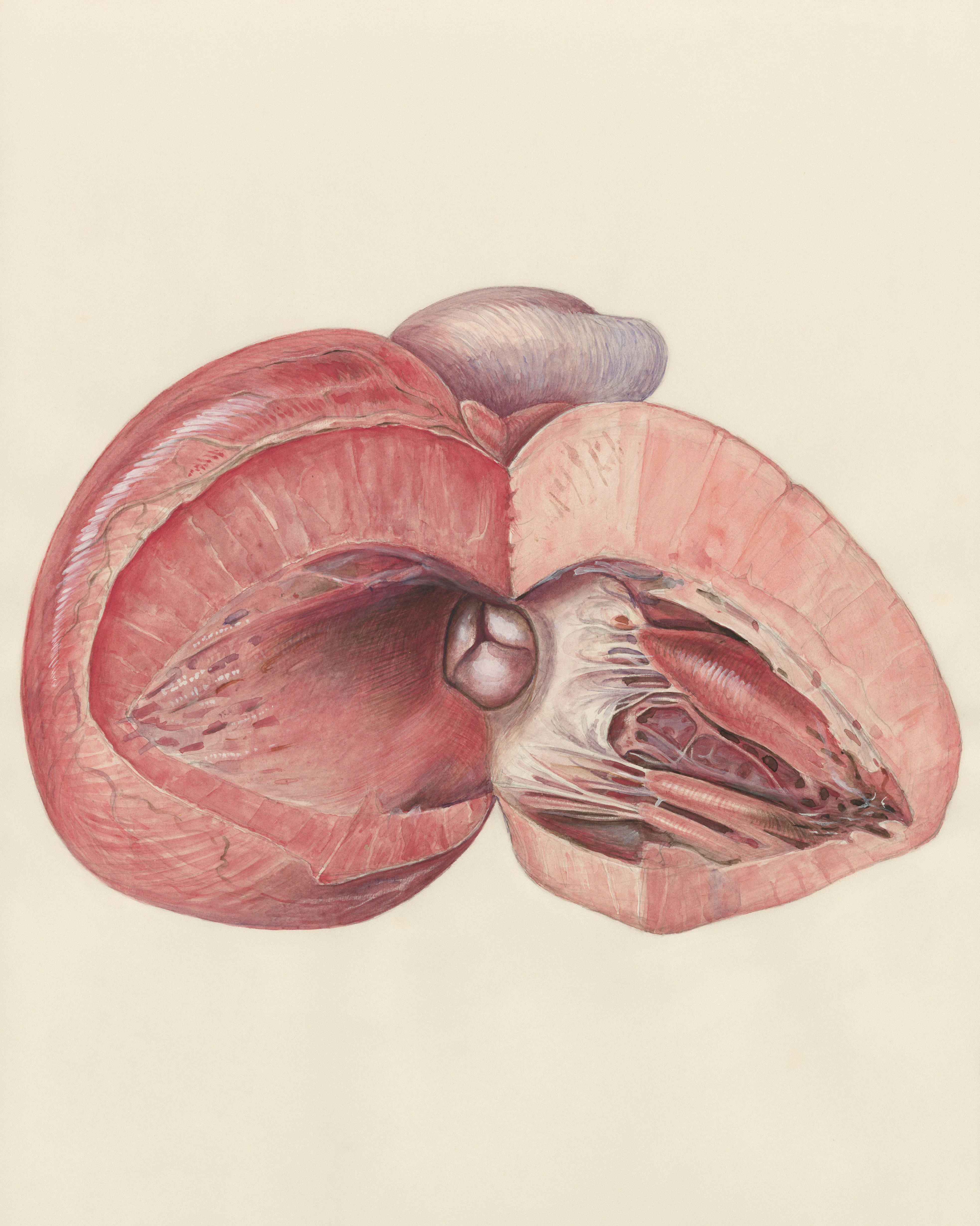
Polycystic ovary syndrome (PCOS) has officially been renamed polyendocrine metabolic ovarian syndrome (PMOS) by a global expert consensus, but the underlying condition and diagnostic criteria remain the same for now. This shift is about changing understanding, stigma, and care—not suddenly “creating” a new disease.
What is PMOS and how is it different from PCOS?
A large international group of clinicians, researchers, and patient advocates has agreed to replace the term “polycystic ovary syndrome (PCOS)” with “polyendocrine metabolic ovarian syndrome (PMOS).” More than 50 patient and professional organizations, including the Endocrine Society, took part in the process to develop the new name.
The new name emphasizes that this is a multisystem hormonal and metabolic condition, not just a problem of “cysts on the ovaries.” According to the consensus, PMOS still affects about 1 in 8 women or people assigned female at birth worldwide, and remains one of the most common endocrine disorders. The renaming does not change how doctors diagnose it today, and both terms (PCOS and PMOS) will be used in parallel for several years during a transition phase.
Why was PCOS renamed to PMOS?
Professor Helena Teede, Director of Monash University’s Monash Centre for Health Research & Implementation and an endocrinologist at Monash Health, led the name change process after spending decades researching the condition and seeing the patient impacts firsthand. Experts have argued for years that “polycystic ovary syndrome” is misleading and contributes to misunderstanding and delayed diagnosis. Many people and even some clinicians still think PCOS is “all about ovarian cysts,” despite the fact that you can have the condition without visible cysts and that the real drivers are hormonal and metabolic.
Lorna Berry, an Australian woman who has PMOS and played a key role in the renaming process, said the result will be life changing.
“This is about accountability and progress,” she said. “It is about my daughters, their daughters, and the countless women yet to be born. We deserve clarity, understanding, and equitable healthcare from the very beginning.”
The new name – polyendocrine metabolic ovarian syndrome – was chosen after more than a decade of global consultation and was published in a consensus statement in The Lancet and announced at the European Congress of Endocrinology. “Polyendocrine” highlights that multiple hormone systems are involved; “metabolic” reflects links to insulin resistance, type 2 diabetes, and cardiovascular risk; “ovarian” keeps the reproductive dimension visible.
What does “polyendocrine metabolic ovarian syndrome” actually mean?
Each part of the PMOS name points to a core feature of the condition:
Polyendocrine: Multiple hormone systems are affected, including ovarian hormones (like estrogen and progesterone) and androgens, as well as metabolic hormones such as insulin.
Metabolic: PMOS is closely tied to insulin resistance, weight gain, dyslipidemia, and a higher lifetime risk of type 2 diabetes and cardiovascular disease.
Ovarian: The ovaries are a key site of hormone dysregulation, often with irregular or absent ovulation and androgen excess.
Syndrome: It remains a cluster of signs and symptoms rather than a single, simple “defect.
Clinically, this means PMOS can influence menstrual cycles, fertility, weight, metabolic health, mental health, and skin and hair (acne, hirsutism, hair thinning).
How do PMOS and PCOS compare in terms of symptoms and diagnosis?
This change has global implications for health-care systems, policy, and research, and for advancing understanding and treatment of the condition. Transition to the new name will occur over 3 years, supported by a multifaceted implementation strategy.
implementation strategy is supported by an embedded evaluation plan. Key considerations include meaningful language translation and cultural appropriateness, especially where reproductive implications and infertility can be linked to the supposed value or worth of an affected individual. This approach creates the implementation architecture to support consistent global uptake of the new name for sustainable change across policy, research, health systems, practice, and outcomes.
Could PMOS improve diagnosis rates and reduce stigma?
PMOS is significantly underdiagnosed: around 70% of people with the condition are thought to remain undiagnosed worldwide. By naming the condition in a way that explicitly references its endocrine and metabolic nature, experts hope clinicians will be more likely to consider it in cases of irregular cycles, insulin resistance, acne, or hirsutism—even when ovarian imaging is normal.
This broader lens may also help shift stigma away from weight, appearance, or fertility alone and toward a more nuanced understanding of lifelong health risks and needs. Clinicians interviewed by health media describe the new name as a tool to frame PMOS as a serious chronic condition deserving long-term follow up, rather than a “fertility problem” that can be ignored once pregnancy is achieved.
What impact can PMOS have on long‑term health?
Official health resources and endocrine societies stress that PMOS is associated with multiple long-term health consequences when not properly managed. These can include:
Metabolic: Insulin resistance, prediabetes, and type 2 diabetes, along with higher rates of dyslipidemia and metabolic syndrome.
Cardiovascular: Increased risk factors for heart disease and possibly stroke over the life course.
Reproductive: Irregular ovulation, subfertility or infertility, and higher risk of pregnancy complications in some individuals.
Endometrial: Higher risk of endometrial hyperplasia and, in some cases, endometrial carcinoma due to prolonged unopposed estrogen exposure.
Mental health: Greater rates of anxiety, depression, body image distress, and reduced quality of life.
The new terminology aims to keep this broader risk profile front and center so that care pathways include metabolic and mental health screening alongside reproductive care.
How might the PMOS label change conversations between patients and healthcare providers?
Professionals interviewed in medical news coverage anticipate that the word “metabolic” will change the questions both patients and clinicians ask at appointments. Instead of focusing only on cycle regularity or ultrasound findings, providers may more routinely discuss blood sugars, blood pressure, cholesterol, mood, and long‑term preventive care.
Patient advocates involved in the renaming say that having a label which acknowledges the full scope of their symptoms can feel validating and reduce self‑blame around weight, fatigue, or mood changes. This shift in language may also encourage multidisciplinary care involving endocrinologists, gynecologists, dietitians, mental health professionals, and primary care, rather than siloed visits.
What should people currently diagnosed with PCOS do about the name change?
If you already have a diagnosis of PCOS, experts recommend simply being aware that your condition may now also be called PMOS and that resources will gradually update. You do not need to be “re-diagnosed,” and your existing medications or management plan do not suddenly become invalid.
It can be helpful to ask your healthcare provider how they are interpreting the new name in their practice and whether they are screening you regularly for metabolic and mental health risks as part of your ongoing care. As guidelines evolve over the next few years, some terminology and recommendations may be refined, but the core message remains: this is a chronic, multisystem condition that deserves comprehensive, long‑term management.
References
Hindustan Times. PCOS is Now Called PMOS: Everything About the Name Change.hindustantimes
Healthline. PCOS Is Renamed PMOS. Doctors Say It Will Improve Diagnosis, Care.healthline
Endocrine Society. Polyendocrine Metabolic Ovarian Syndrome: New Name to Improve Care.endocrine
Verywell Health. PCOS Gets a New Name: PMOS. What Does It Mean for Diagnosis?verywellhealth
Teede H, Khomami M, Morman R et al. Polyendocrine metabolic ovarian syndrome, the new name for polycystic ovary syndrome: a multistep global consensus process. The Lancet, 2026; 0
Latest
From the Blog
Discover fresh insights, practical tips, and empowering stories to help you learn and grow in your PMDD healing journey. We're always here to remind you that you're not alone