Treatment
Managing PMDD without SSRIs: Further Medical Treatments

Managing PMDD without SSRIs: Further Medical Treatments
For many people, SSRIs (Selective Serotonin Reuptake Inhibitors) are the first treatment offered for PMDD and for some, they work well. But SSRIs aren’t the right fit for everyone. Side effects, limited symptom relief, or personal preference can lead people to seek alternative options. The good news is that there are medical alternatives worth knowing about.
One of the most important non-SSRI approaches to PMDD management focuses on ovulation suppression.
Ovulation suppression works by preventing the release of an egg and the formation of the corpus luteum, a temporary ovarian structure responsible for producing progesterone during the second half of the menstrual cycle (the luteal phase). By halting ovulation, levels of estradiol and progesterone remain low and stable. This stability can significantly reduce PMDD symptoms in people who are sensitive to cyclical hormone changes.
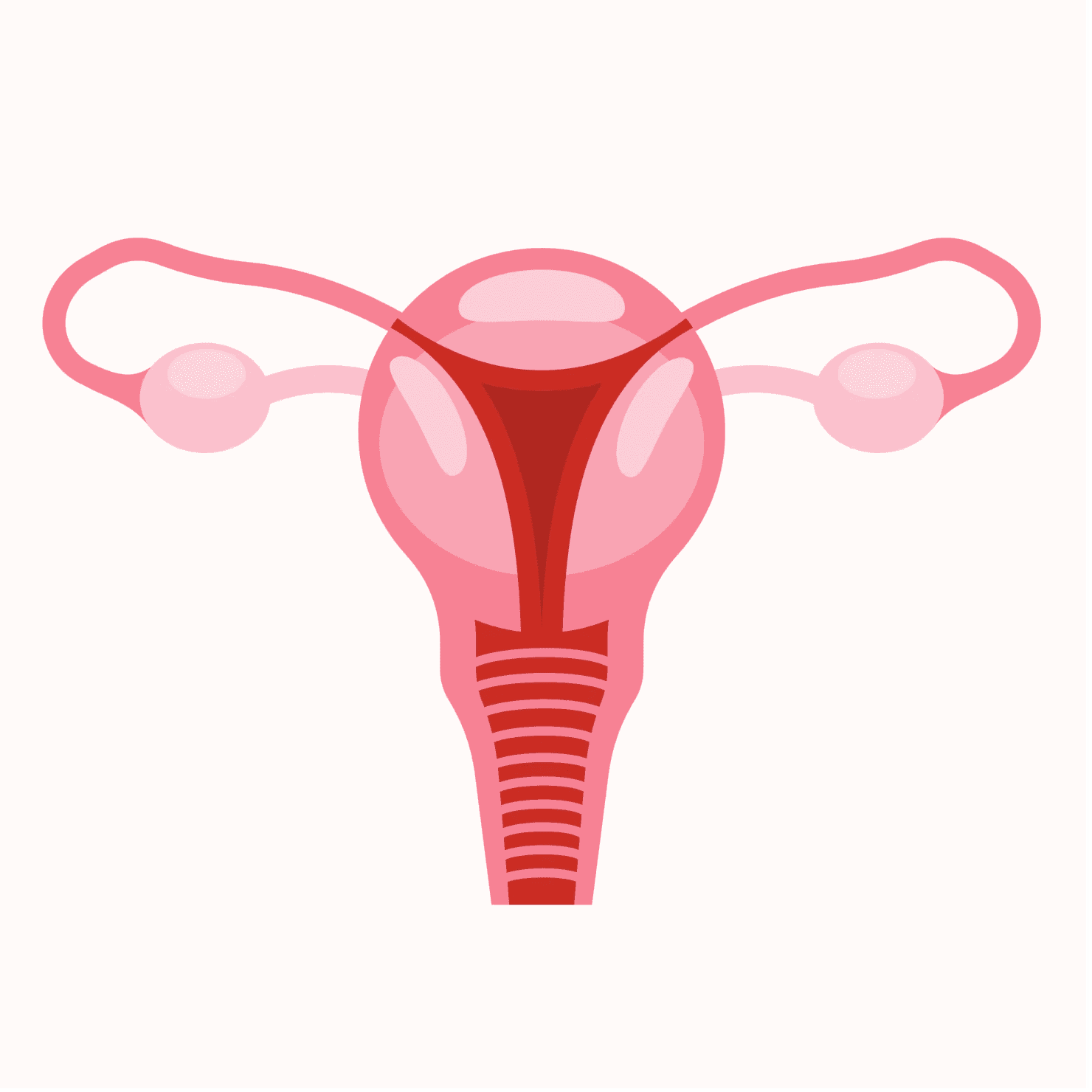
1. Hormonal therapies
For severe or treatment-resistant PMDD, doctors may recommend hormonal therapies that temporarily switch off ovarian hormone production. These treatments act on the brain–ovary connection (known as the Hypothalamic-Pituitary-Gonadal Axis axis) and create a state similar to medical menopause.
Many people experience substantial symptom relief with this approach. However, because estrogen levels drop, side effects like hot flashes, mood changes, and bone density loss can occur.
To reduce these risks, clinicians often prescribe add-back therapy, which involves low doses of estrogen and progestogen to protect bone and cardiovascular health while maintaining symptom control.
It’s important to note that some people with PMDD are particularly sensitive to progestogens, and symptoms may return when they’re added back. In such cases, alternatives like tibolone, a synthetic hormone with mixed activity, may offer relief with fewer side effects.
2. Danazol
Danazol is a synthetic androgen that suppresses ovulation by inhibiting the release of gonadotropins. While it has shown effectiveness in managing PMDD symptoms, its use is limited due to androgenic side effects such as hirsutism (excess hair growth), acne, and potential teratogenicity (risk of birth defects). As a result, Danazol is generally not considered a first-line treatment option.
3. Oral Contraceptive Pills (OCPs)
Combined OCPs are commonly used to suppress ovulation and regulate hormone levels. However, their effectiveness in treating PMDD varies. Some women may experience a worsening of symptoms during the hormone-free interval (the placebo or pill-free days in the cycle).
Formulations with fewer or no hormone-free days, or continuous dosing, may provide more consistent hormone levels and better symptom control. In particular, OCPs containing drospirenone, a progestin with anti-androgenic and anti-aldosterone properties, have demonstrated greater efficacy in reducing PMDD symptoms. Continuous use of these formulations can help minimise the hormonal fluctuations that contribute to mood disturbances.
Here are options at a glance-
Treatment Option | How It Works | Potential Benefits | Limitations / Side Effects |
Hormonal Therapies (Ovulation Suppression / GnRH-based treatments) | Temporarily suppress ovarian hormone production by acting on the brain–ovary (HPG) axis, inducing a reversible “medical menopause.” | Can markedly reduce or eliminate PMDD symptoms by stabilising estrogen and progesterone levels; often effective for severe or treatment-resistant cases. | Hot flashes, mood changes, reduced bone density; requires medical supervision and concurrent add-back therapy. |
Add-Back Therapy | Adds low doses of estrogen and progestogen to counteract bone and cardiovascular side effects of GnRH-based suppression. | Provides bone and heart protection while maintaining symptom relief. | Some individuals are sensitive to progestogens, which may trigger a return of PMDD symptoms. |
Tibolone (Alternative Add-Back Option) | Synthetic steroid with weak estrogenic, progestogenic, and androgenic activity used as an add-back alternative. | May relieve symptoms with fewer PMDD flare-ups in progestogen-sensitive individuals. | Not suitable for everyone; should be prescribed under specialist supervision. |
Danazol | Inhibits gonadotropin release, preventing ovulation. | Can reduce symptoms in selected, resistant cases. | Androgenic effects (acne, hair growth); teratogenic risks; not recommended as a first-line treatment. |
Oral Contraceptive Pills (OCPs) | Suppress ovulation and stabilise cyclical hormone levels. | Widely available; continuous use can improve symptom control. | Some users experience symptom return during pill-free intervals; variable effectiveness. |
Drospirenone-containing OCPs | contain a progestin with anti-androgenic and mild diuretic (anti-aldosterone) effects; often used continuously. | Demonstrated higher efficacy for PMDD; reduces hormonal fluctuations that worsen mood symptoms. | Hormonal method—may not suit individuals sensitive to certain progestins. |
Ovulation suppression offers a meaningful alternative for managing PMDD, especially for individuals who do not benefit from SSRIs. While hormonal therapies like GnRH agonists can be highly effective, they require careful monitoring due to side effects and the need for add-back therapy.
Options such as Danazol and drospirenone-containing oral contraceptives remain useful in selected cases, particularly when used in continuous regimens.
Ongoing research into newer treatments, including selective progesterone receptor modulators (SPRMs) and oral GnRH antagonists, holds promise for improving symptom control with better tolerability and convenience.
Understanding your cycle, your triggers, and your response to treatment is key—and that journey begins with informed, compassionate care. Take the first step in making an informed decision about your health by using HealCycle and tracking your cycle!
Disclaimer
The information provided in this blog post is for educational purposes only and should not be considered medical advice. It is essential to consult with a qualified healthcare professional for diagnosis, treatment, and personalized recommendations regarding your specific health condition. Always discuss any new treatments or lifestyle changes with your doctor, especially if you have pre-existing health conditions or are taking medications.
Sources
Premenstrual Dysphoric Disorder - StatPearls - NCBI Bookshelf
The Hypothalamic-Pituitary-Gonadal Axis - Holland-Frei Cancer Medicine - NCBI Bookshelf
Latest
From the Blog
Discover fresh insights, practical tips, and empowering stories to help you learn and grow in your PMDD healing journey. We're always here to remind you that you're not alone